Chess Analysis Tools: How to Use Them With Kids the Right Way
By Lalit Akhade, Founder & Head Coach, ChessMates Academy · Published 2024-10-26 · 6 min read
Introduction: Learning from Every Game
One of the most powerful tools in modern chess learning is game analysis—reviewing completed games to understand what went right, what went wrong, and what can be improved. For children, learning to analyze games develops critical thinking skills that extend far beyond chess.
This guide explores how to use chess analysis tools effectively with young players, making the process educational and engaging rather than tedious or discouraging.
Why Analysis Matters for Young Players
Learning Benefits
What Analysis Teaches: - Recognizing patterns and mistakes - Understanding cause and effect - Developing self-awareness - Building critical thinking habits - Improving future decision-making
Beyond Chess Skills: - Reflection and self-evaluation - Accepting and learning from errors - Growth mindset development - Objective self-assessment
Age-Appropriate Analysis
Younger Children (6-9): - Focus on big mistakes only - Keep sessions short (5-10 minutes) - Use visual demonstrations - Emphasize "next time" improvement - Positive tone essential
Older Children (10+): - More detailed analysis possible - Longer attention for review - Can understand deeper concepts - Self-analysis skills developing - More technical explanations appropriate
Available Analysis Tools
Lichess Analysis Board
Features: - Completely free - Unlimited game analysis - Stockfish engine evaluation - Opening book integration - Cloud engine option
Best For: Comprehensive free analysis; serious study
How to Use: - Import games or link to Lichess account - Review with engine suggestions - Explore variations - Identify critical moments
Chess.com Game Review
Features: - Automated game report - Accuracy score - Mistake/blunder highlighting - Suggested improvements - Visual indicators
Limitations: Full features require premium subscription
Best For: Quick visual feedback; understanding overall performance
Other Tools
Desktop Engines: - Stockfish (free) - Komodo - Leela Chess Zero
For Advanced Study: These require more setup but offer deepest analysis.
When to Use: Typically for older, more serious players working with coaches.
How to Analyze Games with Children
The Right Approach
Mindset to Cultivate: - Analysis is about learning, not criticism - Everyone makes mistakes, including masters - Finding mistakes is positive (learning opportunity) - Focus on improvement, not perfection
Avoid: - Harsh criticism of errors - Overwhelming with too much information - Making analysis feel like punishment - Comparing negatively to others
Step-by-Step Analysis Process
1. Initial Review (Without Engine): - Let child share their thoughts first - "What did you think of this game?" - "Were there moments you weren't sure about?" - Identify positions they remember as important
2. Key Moments: - Focus on 2-3 critical positions only - "What were you thinking here?" - Discuss alternatives together - Connect to concepts from lessons
3. Engine Check (Selective): - Use engine to verify thoughts - Don't rely on engine for everything - Discuss engine suggestions in understandable terms - "The computer thinks this was a good idea—let's see why"
4. Takeaways: - Identify one or two lessons - Connect to future improvement - End on positive note - Write down key learnings if helpful
Age-Specific Approaches
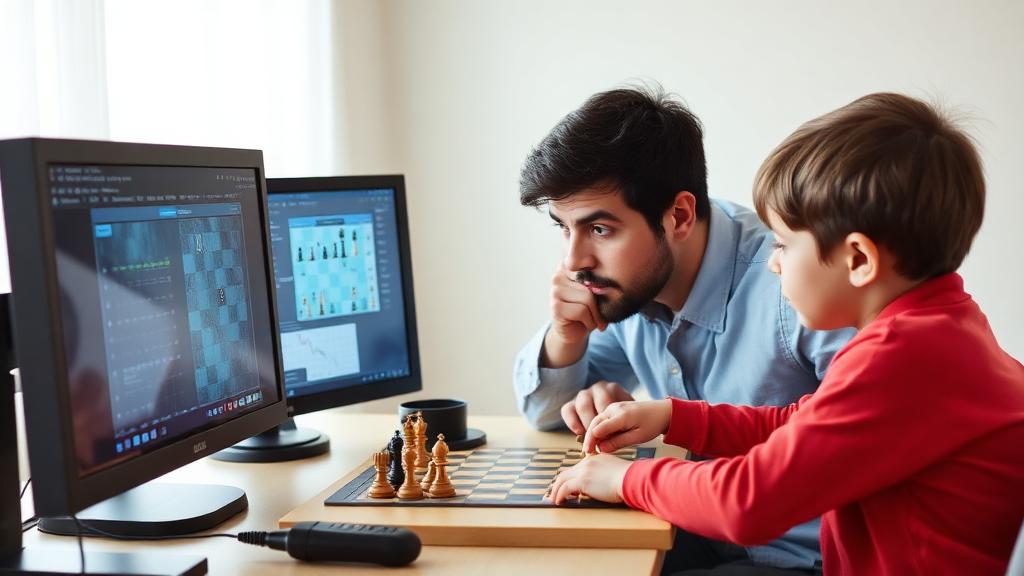
For Younger Children: - "Let's look at your game together!" - Focus on positions, not engine scores - Use piece colors and pictures - Keep it conversational - Celebrate good moves, not just finding mistakes
For Older Children: - More technical discussion possible - Can understand evaluation numbers - May engage in deeper calculation review - Self-analysis encouraged - Written analysis assignments possible
Common Analysis Mistakes to Avoid
Over-Reliance on Engines
The Problem: Just showing engine moves doesn't teach understanding.
Better Approach: Discuss WHY engine suggestions are better. Connect to principles.
Analyzing Every Game
The Problem: Leads to fatigue and superficial review.
Better Approach: Select meaningful games—especially losses with clear lessons.
Focusing Only on Mistakes
The Problem: Creates negative association with analysis.
Better Approach: Celebrate good moves too. Balance criticism with praise.
Too Much at Once
The Problem: Information overload; nothing sticks.
Better Approach: Deep analysis of 2-3 positions beats superficial review of entire game.
Teaching Self-Analysis Skills
Progressive Independence
Age 7-9: Parent/coach-led analysis with child participation Age 10-12: Guided analysis with increasing child input Age 12+: Independent analysis checked by coach
Questions for Self-Analysis
During the Game: - "Was I happy with my thinking here?" - "Did I consider my opponent's responses?" - "Did I follow my plan?"
After the Game: - "What moment felt most important?" - "Where did I feel unsure?" - "What can I do better next time?"
Building Analysis Habits
Routine Suggestions: - Analyze one game per week thoroughly - Brief reflection after each game - Keep analysis notes or journal - Review patterns across multiple games
Using Analysis for Improvement
Identifying Patterns
Look For: - Recurring mistake types - Consistent weaknesses - Time trouble patterns - Emotional decision-making moments
How to Use: - Target practice on weak areas - Adjust training focus - Address non-chess factors (time, emotions)
Setting Improvement Goals
Based on Analysis: - "Work on queen endgames" (repeated endgame issues) - "Slow down in complicated positions" (blunder patterns) - "Study Sicilian lines" (opening problems) - "Practice time management" (time trouble patterns)
Connecting Analysis to Practice
Follow-Up Activities: - Puzzles targeting identified weaknesses - Specific lessons on problem areas - Focused study on recurring themes - Practice games applying lessons learned
When to Seek Coach Analysis
Benefits of Professional Analysis
What Coaches Add: - Explaining concepts at appropriate level - Identifying patterns across games - Connecting to broader chess understanding - Providing developmentally appropriate feedback - Suggesting targeted improvement plans
What to Bring to Coaches
Most Valuable: - Games that felt confusing - Losses with unclear causes - Games representing typical problems - Questions about specific positions
How Chessmates.in Uses Analysis
Our analytical approach:
Game Review Sessions: Regular analysis of student games Pattern Identification: Tracking recurring issues across games Improvement Planning: Using analysis to guide training focus Teaching Self-Analysis: Building independent analytical skills Parent Communication: Explaining analysis findings constructively
FAQs About Chess Analysis
1. Should my child analyze every game? No. Quality over quantity. Analyze select meaningful games thoroughly rather than all games superficially.
2. How long should analysis sessions be? For young children: 5-15 minutes. For older children: 15-30 minutes maximum. Focus and retention matter more than duration.
3. Should I analyze with my child if I don't know chess well? You can facilitate by asking questions and being supportive. For technical analysis, coaching help is valuable.
4. What if analysis makes my child upset? Approach needs adjustment. Focus more on positive moments. Reduce frequency. Consider coaching support for analysis.
5. At what rating should serious analysis start? Some analysis is beneficial at any level, but method matters. Light analysis for beginners; deeper for intermediates and above.
Conclusion: Analysis as Growth Tool
Game analysis, done well, is one of the most valuable learning tools in chess. The key is age-appropriate methods, positive framing, and focus on actionable improvement. Children who learn to analyze their games develop not just chess skills but critical thinking habits that serve them throughout life.
At Chessmates.in, we integrate game analysis into our teaching, showing students how to learn from every game while maintaining positive attitudes toward the process.
Ready to build analytical skills? Book a trial lesson where learning from games becomes natural.