Why Shy Kids Secretly Excel at Chess (Parents Are Surprised)
By Lalit Akhade, Founder & Head Coach, ChessMates Academy · Published 2025-01-01 · 6 min read
Introduction: Chess as a Confidence Builder for Shy Children
For shy children, social situations can feel overwhelming. The pressure to speak up, make quick decisions, or perform in front of others often triggers anxiety and withdrawal. Yet within the structured, predictable world of chess, these same children frequently blossom into confident, strategic thinkers.
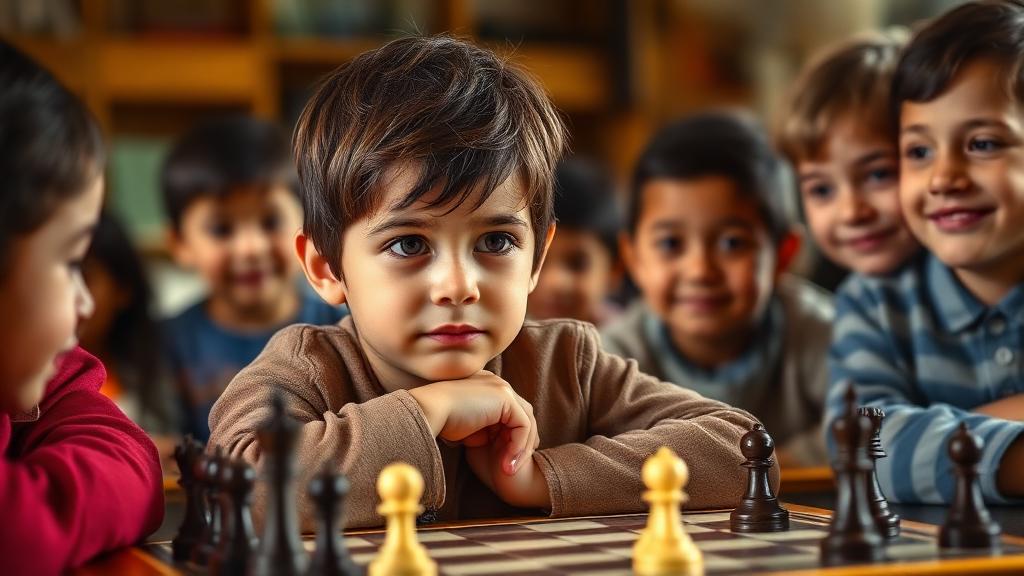
Chess offers shy children something rare: a space where quiet observation and deep thinking are not just accepted but rewarded. Unlike team sports or group activities where extroverts often dominate, chess celebrates the thoughtful, methodical approach that comes naturally to many introverted children.
Understanding Shyness in Children
Shyness is not a flaw to be fixed but a temperament to be understood. Shy children often possess remarkable strengths including deep thinking, careful observation, and strong empathy. The challenge lies in helping them recognize and express these strengths confidently.
The Shy Child's Hidden Advantages
Many qualities associated with shyness translate directly into chess strengths: - Careful observation: Shy children naturally study situations before acting - Deep thinking: They prefer thorough analysis over quick reactions - Patience: They're comfortable with extended concentration - Sensitivity: They often pick up on subtle patterns others miss
Chess transforms these "quiet" traits into competitive advantages, helping children see their temperament as an asset rather than a limitation.
How Chess Builds Confidence Step by Step
1. Mastery Through Individual Achievement
Unlike team activities where individual contributions can feel invisible, chess provides clear, personal achievements. Every game won, every puzzle solved, every rating point gained belongs entirely to the child.
This direct connection between effort and success builds genuine self-confidence. Shy children learn they can achieve meaningful goals through their own abilities.
2. Structured Social Interaction
Chess provides a framework for social interaction that many shy children find comfortable: - Clear rules govern behavior - Conversations have natural topics (the game) - Physical proximity without pressure to talk constantly - Shared focus reduces self-consciousness
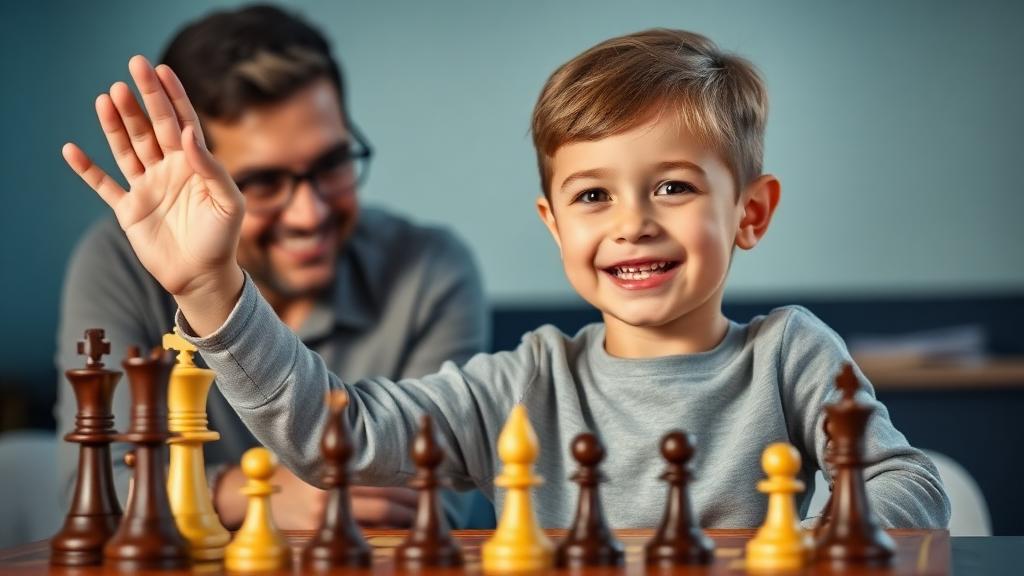
3. Safe Environment for Risk-Taking
Every chess game involves decisions with consequences. In this controlled environment, shy children practice: - Making choices under uncertainty - Accepting outcomes of their decisions - Trying new strategies - Recovering from mistakes
This practice builds the emotional resilience needed for confident action in other areas of life.
The Transformation Process
Building a Foundation
Initial chess learning focuses on understanding rather than competition. Children learn: - Basic piece movements and rules - Simple tactical patterns - How to think through positions
This knowledge-building phase gives shy children a solid foundation before facing competitive pressure.
Developing Competence
As skills develop, children begin playing games with increasing complexity: - Practice games with peers - Puzzle-solving challenges - Friendly competitions
Each success reinforces the belief that they can succeed through their own efforts.
Expressing Confidence
Eventually, many shy children who play chess show remarkable transformations: - Speaking up in class (applying strategic thinking to discussions) - Trying new activities (confidence transfers to other domains) - Making new friends (shared chess interest provides natural connections) - Handling setbacks better (resilience developed through losses)
Practical Strategies for Parents
Creating the Right Environment
Support your shy child's chess journey by: - Starting with individual or small-group lessons - Avoiding pressure about winning or performance - Celebrating effort and learning, not just results - Allowing them to progress at their own pace
Encouraging Without Pushing
Shy children need encouragement that respects their temperament: - Ask open-ended questions about their games - Show genuine interest in their learning - Avoid comparing them to more outgoing peers - Recognize that quiet confidence is still confidence
How Chessmates.in Supports Shy Learners
Our approach specifically accommodates different temperaments: - Patient instructors who understand introverted learners - Small class sizes that reduce social overwhelm - Gradual competition introduction respecting readiness - Individual attention ensuring every child is seen and supported - Positive environment where mistakes are learning opportunities
FAQs About Chess and Shy Children
1. Is my shy child too young to benefit from chess? Children as young as 5-6 can begin benefiting, with age-appropriate instruction that builds confidence gradually.
2. Will my child have to compete before they're ready? Quality programs never force competition. Children progress to tournaments only when genuinely interested and prepared.
3. How long before I see confidence improvements? Many parents notice subtle changes within weeks, with more significant confidence growth over months of consistent practice.
4. Can online chess help shy children? Yes — online platforms can provide a comfortable starting point with less social pressure than in-person play.
5. What if my child gets discouraged by losses? Good coaching helps children understand that losses are learning opportunities, building resilience alongside chess skills.
Conclusion: Unlocking Hidden Potential
Chess offers shy children a unique pathway to confidence. Within the 64 squares, they discover that their natural tendencies toward careful thought and observation are genuine strengths. Every game builds evidence that they can succeed, make good decisions, and handle both wins and losses with grace.
At Chessmates.in, we've witnessed countless shy children transform through chess. They don't become different people — they become more fully themselves, with the confidence to express their inherent strengths in chess and beyond.
Give your shy child the gift of chess. In this thoughtful game, they'll find not just a hobby but a pathway to the confident self-expression every child deserves.