How Chess Builds Patience in Kids Glued to Screens
By Lalit Akhade, Founder & Head Coach, ChessMates Academy · Published 2025-01-04 · 5 min read
Introduction: Why Patience Is a Critical Skill for Children
In today's world of fast entertainment, instant results, and constant digital stimulation, children are naturally becoming less patient. Waiting feels difficult. Concentrating feels tiring. Staying calm in stressful moments feels nearly impossible.
But patience is a foundational life skill. It affects:
- Academic success
- Emotional health
- Social relationships
- Self-confidence
- Decision-making abilities
One of the most powerful tools to build patience in children is chess.
Chess naturally teaches children how to slow down, think deeply, wait for the right time to act, and manage their emotions. Through practice and guidance, kids learn that calm thinking leads to better outcomes — both on the board and in life.
Platforms like Chessmates.in make chess learning age-appropriate, engaging, and psychologically supportive, helping children build patience step by step.
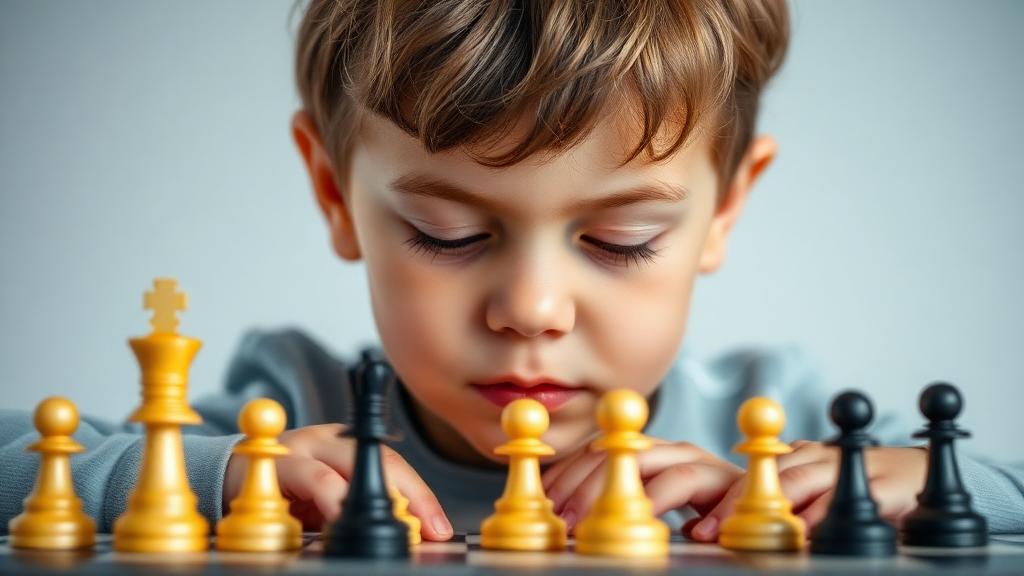
The Psychology of Patience in Child Development
Patience is not something children are born with. It is learned through repeated experiences that reinforce calmness, control, and delayed gratification.
Slow Thinking vs. Fast Thinking in Kids
Psychologist Daniel Kahneman describes two types of thinking:
- Fast thinking — emotional, impulsive, automatic
- Slow thinking — calm, logical, deliberate
Children naturally operate in fast thinking mode. Chess is one of the rare activities that trains slow thinking — helping children evaluate carefully before acting.
The Brain Regions Responsible for Patience
Chess activates the prefrontal cortex, the region responsible for:
- Planning
- Emotional control
- Impulse management
- Logical thinking
Repeated chess practice strengthens this area, making children more patient and thoughtful.
1. Chess Teaches Kids to Think Before They Act
Chess is built on thoughtful decision-making.
Strategic Thinking Instead of Impulsive Decisions
Kids quickly learn that impulsive moves lead to mistakes. This teaches them:
- "Think first, move later."
- "Slow planning leads to better outcomes."
This mindset reduces impulsive behaviour in school and daily life.
Slowing Down to Avoid Mistakes
Every move has consequences. Children naturally start pausing, analyzing, and predicting — reinforcing patient thinking.
2. Chess Builds Emotional Control
Patience and emotional regulation go hand in hand.
Staying Calm After a Bad Move
Children learn to:
- Take a deep breath
- Reassess the position
- Move forward thoughtfully
This emotional composure improves behaviour and reduces tantrums.
Learning to Handle Frustration
Chess teaches kids that setbacks are normal — part of growth. This reduces frustration and makes them more resilient.
3. Chess Strengthens Focus and Stillness
Patience requires mental stillness — a skill children often lack.
Concentrating Without Rushing
Chess teaches kids to:
- Observe carefully
- Think quietly
- Focus deeply
This naturally increases their attention span.
Training the Brain to Stay Present
The game requires complete presence, helping children build mindful awareness — a key element of patience.
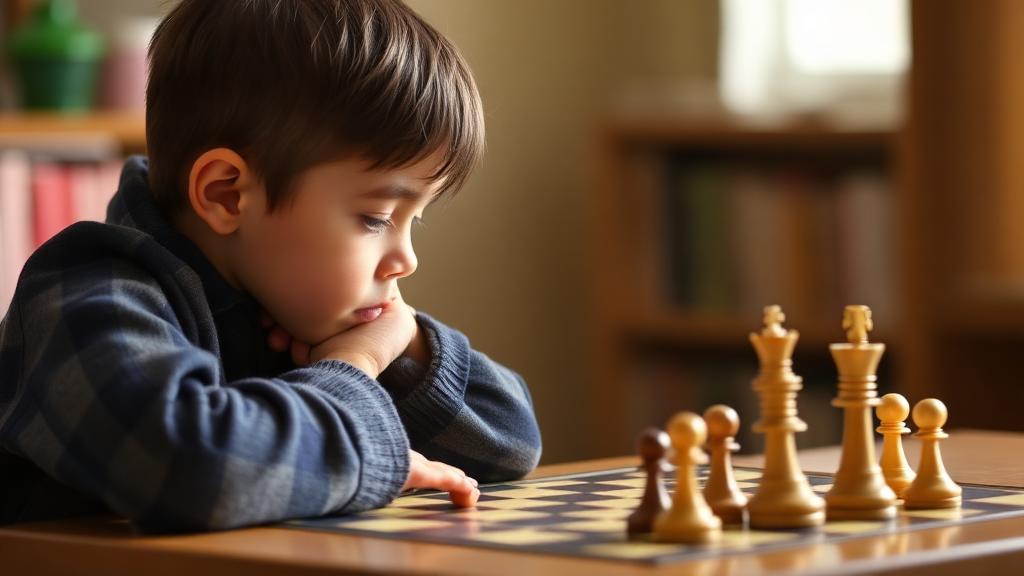
4. Chess Helps Children Learn Delayed Gratification
Delayed gratification means choosing long-term success over immediate pleasure.
Long-Term Planning Over Short-Term Excitement
Chess helps children understand:
- Quick wins can lead to big losses
- Long-term strategies are more powerful
- Patience wins games
This skill translates into better academic and life choices.
Understanding that Good Outcomes Take Time
Through experience, children learn that improvement, mastery, and winning don't happen instantly.
5. Chess Encourages Step-by-Step Thinking
Patience grows when children learn to take things one step at a time.
Breaking Down Big Problems Into Small Moves
Children learn that big goals are achieved through many small decisions — a major psychological skill.
Staying Patient While Solving Difficult Situations
Facing complex positions teaches kids how to stay calm and persist through challenges.
6. Chess Reduces Impulsiveness
Impulsiveness is the opposite of patience — and chess works against it.
Replacing Sudden Reactions With Thoughtful Choices
Children learn to pause before acting. This behaviour becomes a habit.
Improving Academic Behaviour Through Chess
Kids who play chess show:
- Better control in the classroom
- Less disruptive behavior
- Improved focus during lessons
7. Chess Teaches Children to Accept and Learn From Mistakes
Mistakes are part of chess — and part of life.
Mistakes as Part of the Process
Children learn that:
- Everyone makes mistakes
- Improvement comes from reflection
- Patience helps avoid repeated errors
This mindset reduces stress and perfectionism.
Building a Calm, Growth-Oriented Mindset
A patient child learns:
- "I can try again."
- "I will do better next time."
- "Mistakes help me grow."
This is one of the most important life lessons chess teaches.
8. Chess Encourages Healthy Waiting
Waiting is essential for patience.
Waiting for Opponent Moves
During a game, children must wait their turn — practicing self-control.
Understanding the Rhythm of the Game
Chess has a natural rhythm:
- Think
- Move
- Wait
- Observe
This rhythm teaches self-control and emotional balance.
9. Chess Helps Build Mental Endurance
Patience grows stronger with endurance.
Sustaining Patience Over Long Games
Chess can last from 10 minutes to over an hour. Kids learn to:
- Stay engaged
- Stay focused
- Stay patient
This endurance supports better study habits and classroom focus.
Overcoming Mental Fatigue Calmly
Chess teaches kids not to quit when tired — but to find solutions calmly and carefully.
10. Chess Teaches Patience Through Repetition and Practice
Patience is a muscle — and chess trains it.
Repetition Builds Mastery
Children learn that improvement comes from:
- Solving puzzles
- Reviewing games
- Practising strategies
Repetition builds patience and discipline.
Patience Through Continuous Improvement
Every day, kids see:
- Slow growth
- Incremental progress
- Steady improvement
This teaches them that success is a journey, not a race.
Real-Life Examples of Children Who Became More Patient Through Chess
Parents from Chessmates.in often share stories such as:
- Children who stopped rushing through homework
- Kids who became calmer during exams
- Children who now think before reacting emotionally
- Students who developed longer attention spans
- Shy kids who grew more patient in social situations
Chess training transforms behaviour in measurable, meaningful ways.
The Role of Coaches in Teaching Patience
Good coaching accelerates the development of patience.
At Chessmates.in, coaches:
- Model calm behaviour
- Teach children to analyze slowly
- Encourage reflection instead of rushing
- Celebrate effort, not just winning
- Teach kids to accept mistakes calmly
This creates a psychologically supportive learning environment.
How Chessmates.in Helps Children Develop Patience
Chessmates.in is designed to grow patience through:
- Age-appropriate puzzles
- Step-by-step instruction
- Calm and friendly coaching
- Slow, guided analysis
- Small-group classes for comfort
- Positive reinforcement
- Gradual confidence-building
It's not just chess training — it's emotional development through structured learning.
FAQs
1. How long does it take for chess to improve a child's patience? Most children show improvement within 6–12 weeks.
2. Can chess help impatient or hyperactive children? Yes. Chess promotes calmness, focus, and emotional regulation.
3. Does online chess help build patience as effectively as offline? Yes — platforms like Chessmates.in are structured for mindful learning.
4. How often should kids practice chess to build patience? 2–3 sessions a week are ideal.
5. Can young kids (4–6 years) learn patience through chess? Absolutely. Story-based teaching helps preschoolers develop patience naturally.
Conclusion: Patience Learned Through Chess Lasts a Lifetime
Chess is one of the most effective tools for building patience in children. It strengthens emotional control, slow thinking, focus, resilience, and calm decision-making — skills that shape academic success and emotional well-being.
Through structured, child-friendly lessons at Chessmates.in, children learn patience not by force, but by natural, enjoyable practice.
If you want your child to become calmer, more disciplined, and more thoughtful — the journey begins with a single move.