Why Doctors Are Recommending Chess for Kids With ADHD (New Research)
By Lalit Akhade, Founder & Head Coach, ChessMates Academy · Published 2024-11-21 · 7 min read
Introduction: Chess as a Therapeutic Tool
Chess offers unique benefits for children with ADHD, autism spectrum disorder, and other neurodevelopmental differences. The structured, rule-based nature of chess provides a calming framework, while the cognitive challenges engage minds that often struggle with conventional learning environments.
This comprehensive guide explores how chess supports neurodiverse children, specific adaptations that enhance success, and practical guidance for parents seeking to introduce their children to this beneficial activity.
Understanding the Connection
Chess and ADHD
Why Chess Helps Children with ADHD:
Structured Focus Requirements: Unlike open-ended activities where attention can wander indefinitely, chess provides clear focus points — the position, the opponent's move, finding the best response.
Immediate Consequence Feedback: Every move has visible consequences, providing the immediate feedback ADHD minds often need for engagement.
Hyperfocus Opportunity: Many children with ADHD can hyperfocus on activities they find genuinely interesting. Chess's combination of competition and problem-solving often triggers this state.
Executive Function Training: Chess exercises planning, working memory, impulse control, and sustained attention — exactly the executive functions that ADHD affects.
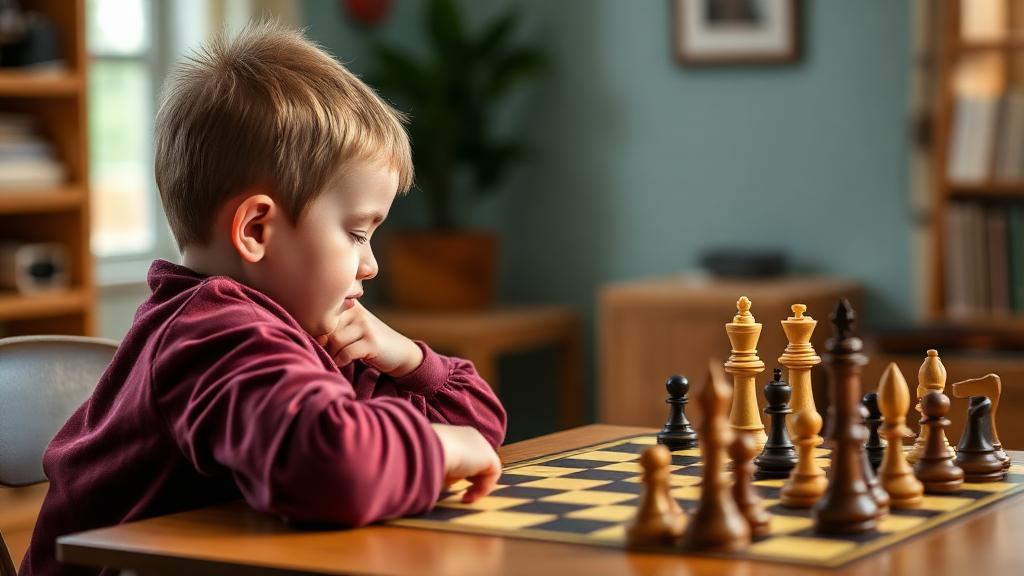
Research Support: Studies have shown that children with ADHD who learn chess demonstrate improvements in attention, planning abilities, and academic performance.
Chess and Autism Spectrum
Why Chess Appeals to Children on the Autism Spectrum:
Clear Rules and Logic: Chess operates by consistent, logical rules — there's no social ambiguity or hidden meaning to interpret.
Predictable Structure: The game follows predictable patterns that many autistic children find comforting and engaging.
Limited Social Demands: While chess is social, the interaction is structured and limited to the game itself — no small talk required.
Deep Special Interest Potential: Chess can become a meaningful special interest, providing positive engagement and community.
Non-Verbal Communication: The game is played largely without verbal interaction, reducing communication anxiety.
Benefits for Both Groups
Common Benefits Across Neurodivergent Populations:
- Structured activity with clear expectations
- Cognitive engagement without overwhelming sensory input
- Measurable progress and achievement
- Social connection through shared interest
- Building of transferable cognitive skills
- Positive identity and competence development
Adaptations for ADHD Learners
Lesson Structure Modifications
Shorter, More Frequent Sessions: 20-30 minute lessons with breaks may work better than 60-minute sessions.
Movement Integration: Allow standing, walking during thinking time, or fidget tools during lessons.
Multi-Sensory Engagement: Use physical pieces, digital boards, and verbal explanation together.
Variety Within Lessons: Alternate between puzzles, games, analysis, and instruction to maintain engagement.
Clear Transitions: Signal activity changes explicitly; use timers for different lesson segments.
Practice Adaptations
Puzzle Training Modifications: - Shorter puzzle sessions (10-15 minutes) - Speed-based puzzle modes often engage ADHD minds - Gamified platforms (puzzle rush, puzzle battle) leverage competitive drive - Track streaks and high scores for motivation
Game Playing Modifications: - Shorter time controls may match attention span better - More frequent games rather than fewer long ones - Standing or moving during opponent's turn - Music or background noise if it helps focus
Environment Considerations
Optimal Learning Environment: - Minimize visual distractions - Reduce auditory interruptions - Comfortable seating that allows movement - Fidget tools available if helpful - Clear sightlines to board and instructor
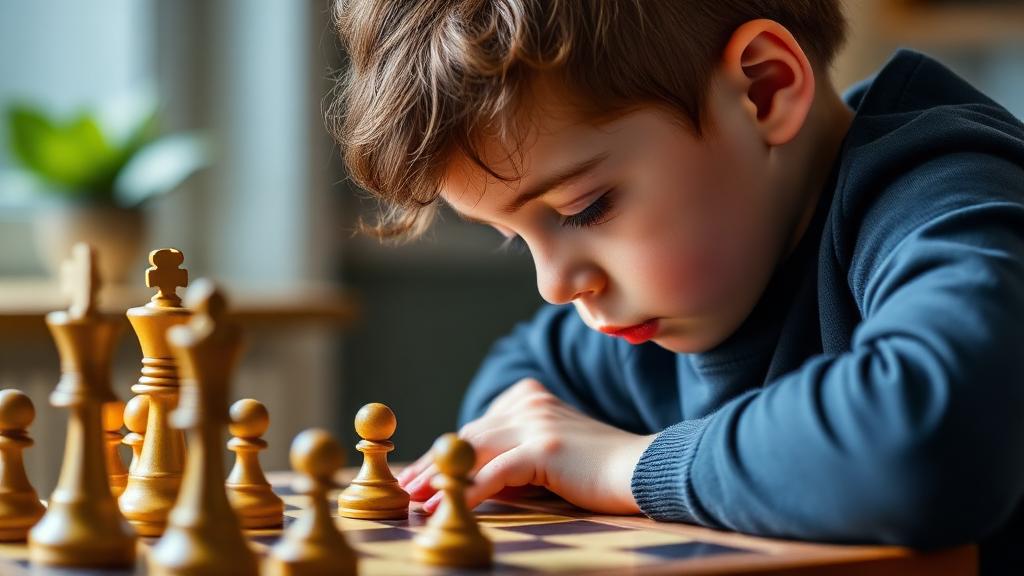
Adaptations for Autistic Learners
Communication Approaches
Clear, Direct Communication: - Avoid idioms and figurative language - Give explicit instructions - Use consistent terminology - Allow processing time before expecting responses
Visual Supports: - Written instructions alongside verbal - Visual schedules for lesson structure - Diagrams and position illustrations - Reference cards for concepts
Reduce Uncertainty: - Consistent lesson structure - Preview what will happen in lesson - Explain changes before they occur - Answer questions directly and thoroughly
Sensory Considerations
Lighting: Some children prefer dimmer lighting; adjust if possible.
Sound: Quiet environments or noise-canceling options may help.
Touch: Preferred piece textures (wood, plastic, weighted) vary; let child choose.
Online vs. In-Person: Some autistic children do better with online learning's controlled environment; others need physical presence.
Social Skill Building
Structured Social Interaction: Chess provides scaffolded social engagement: - Clear turn-taking structure - Limited verbal interaction requirements - Defined beginning, middle, and end - Shared focus on external object (the board)
Tournament Preparation: Prepare thoroughly for tournament social aspects: - Explain handshake and post-game rituals - Practice waiting between games - Prepare for sensory environment (noise, crowds) - Plan quiet break spaces
Finding the Right Coach
Essential Coach Qualities
For Neurodiverse Students:
Patience and Flexibility: Willingness to adapt approach based on student needs.
Understanding: Basic awareness of ADHD/autism and how they affect learning.
Clear Communication: Ability to give direct, explicit instructions.
Positive Approach: Focus on strengths and progress rather than deficits.
Individualization: Recognition that each student needs unique approaches.
Questions to Ask Potential Coaches
- "Have you worked with children with ADHD/autism before?"
- "How do you adapt your teaching for different learning styles?"
- "What is your approach when a student is struggling to focus?"
- "How do you handle sensory sensitivities or need for breaks?"
- "Can lesson length and structure be adjusted based on my child's needs?"
Red Flags
Avoid Coaches Who: - Dismiss or minimize your child's needs - Insist on rigid approaches without flexibility - Show frustration with attention or behavior challenges - Don't communicate with parents about progress - Expect neurotypical behavior and responses
Setting Appropriate Expectations
Realistic Progress Timeline
For ADHD Learners: - Initial lessons may be inconsistent — patience is essential - Once engaged, rapid progress is common - Expect some variability in performance - Executive function benefits may appear before rating improvements
For Autistic Learners: - May need longer to learn basic concepts initially - Once patterns are established, deep learning often follows - Special interest development can accelerate learning significantly - Social skill benefits accumulate gradually
Success Definitions
Broaden Success Metrics: - Engagement and enjoyment with chess - Attention span during lessons - Willingness to practice independently - Emotional regulation during wins and losses - Social connections through chess - Self-esteem and confidence building
Managing Challenges
When Things Aren't Working: - Communicate openly with coach - Consider different teaching approaches - Evaluate timing and environment factors - Adjust expectations if needed - Take breaks if necessary without giving up
Success Stories and Realistic Outcomes
What's Possible
Children with ADHD and autism have reached all levels of chess success, from casual enjoyment to national championships. Neither condition prevents chess excellence.
Famous Examples: - Many strong chess players are openly neurodiverse - Chess communities are generally accepting of differences - Success depends on individual interest and support, not diagnosis
Typical Positive Outcomes
Most Common Benefits Observed: - Improved focus that transfers to other activities - Increased confidence and self-esteem - Social connections with chess community - Better emotional regulation - Enjoyable structured activity - Positive relationship with learning
When Chess Isn't the Right Fit
It's Okay If Chess Doesn't Work: - Not every child will love chess (regardless of neurotype) - Interest may develop later if not present now - Other activities may provide similar benefits - Forced engagement produces negative associations
How Chessmates.in Supports Neurodiverse Learners
Our program is designed to accommodate diverse learning needs:
Flexible Lesson Structure: Adjustable length and format based on student needs Coach Training: Our coaches understand and adapt to diverse learning styles Parent Communication: Regular updates and collaborative approach Individualized Pacing: Curriculum adjusted to individual progress Supportive Environment: Positive, patient approach focused on growth Multiple Learning Modes: Visual, verbal, and interactive instruction combined
FAQs About Chess for Children with ADHD and Autism
1. Is chess particularly good for ADHD/autism, or just marketing? Research supports genuine benefits, particularly for executive function and structured social interaction.
2. What age should we start? When child shows interest and can understand basic rules — often ages 5-8, but varies individually.
3. Should I tell the coach about my child's diagnosis? Yes — this information helps coaches provide appropriate instruction and accommodations.
4. What if my child gets frustrated and has meltdowns? This is common initially. Work with coach on strategies; gradual tolerance building usually helps.
5. Can chess help with school performance? Research suggests chess training can improve focus and academic performance, though effects vary individually.
Conclusion: Unlocking Potential Through Chess
Chess offers neurodiverse children an activity where their unique cognitive styles can become strengths rather than challenges. The structured, logical nature of the game provides a comfortable environment for engagement and growth, while the cognitive demands develop crucial executive functions.
At Chessmates.in, we welcome learners of all neurotypes and adapt our instruction to meet individual needs. Our patient, understanding approach ensures that every child has the opportunity to discover the joy and benefits of chess.
Ready to explore how chess can benefit your neurodiverse child? Book a trial lesson and experience our supportive, individualized approach to chess education.