The Real Way Chess Teaches Kids to Manage Their Emotions
By Lalit Akhade, Founder & Head Coach, ChessMates Academy · Published 2024-12-23 · 6 min read
Introduction: Chess as Emotional Training Ground
Every chess game is an emotional journey. The excitement of an attack, the frustration of a blunder, the tension of time pressure, the satisfaction of victory, the disappointment of defeat — children experience the full spectrum of emotions within the safe confines of a board game.
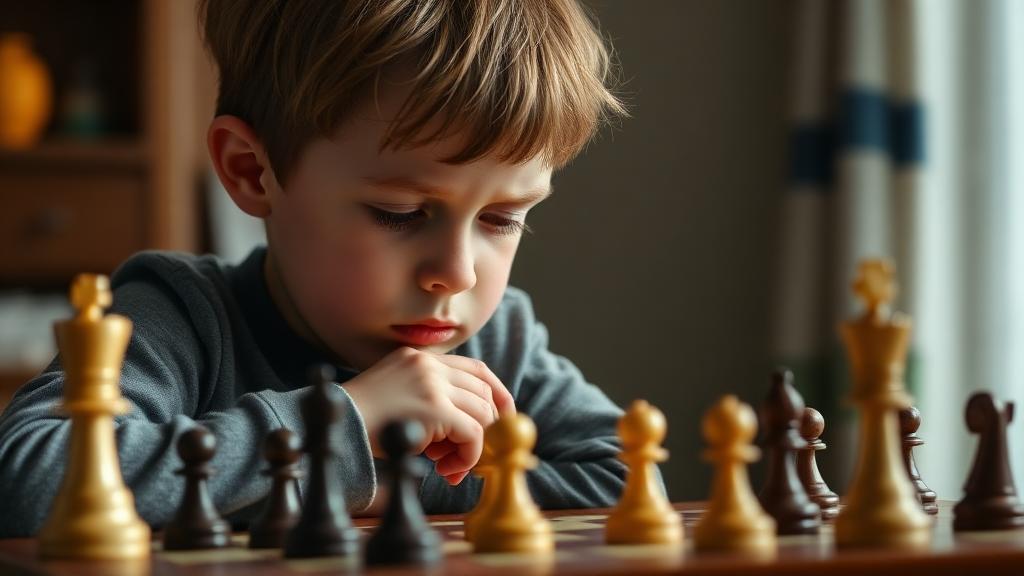
This emotional intensity, combined with clear feedback and repeated opportunities, makes chess an ideal training ground for developing emotional regulation — the ability to recognize, understand, and manage emotions effectively.
Understanding Emotional Regulation
What Is Emotional Regulation?
Emotional regulation involves: - Awareness: Recognizing what you're feeling - Understanding: Knowing why you feel that way - Management: Responding to emotions constructively - Expression: Communicating feelings appropriately
Why It Matters for Children
Strong emotional regulation predicts: - Academic success - Healthy relationships - Mental well-being - Professional achievement
Children who regulate emotions well navigate life's challenges more effectively.
How Chess Develops Emotional Regulation
Real Stakes Create Real Emotions
Unlike artificial emotional exercises, chess generates genuine feelings: - Excitement when attacks succeed - Frustration when plans fail - Anxiety during critical moments - Pride in achievements
These authentic emotions provide meaningful practice material.
Consequences Teach Awareness
In chess, emotional states have clear consequences: - Anger leads to rushed moves - Overconfidence causes oversights - Fear produces passive play - Frustration triggers blunders
This feedback loop develops emotional awareness.
Thinking Time Enables Choice
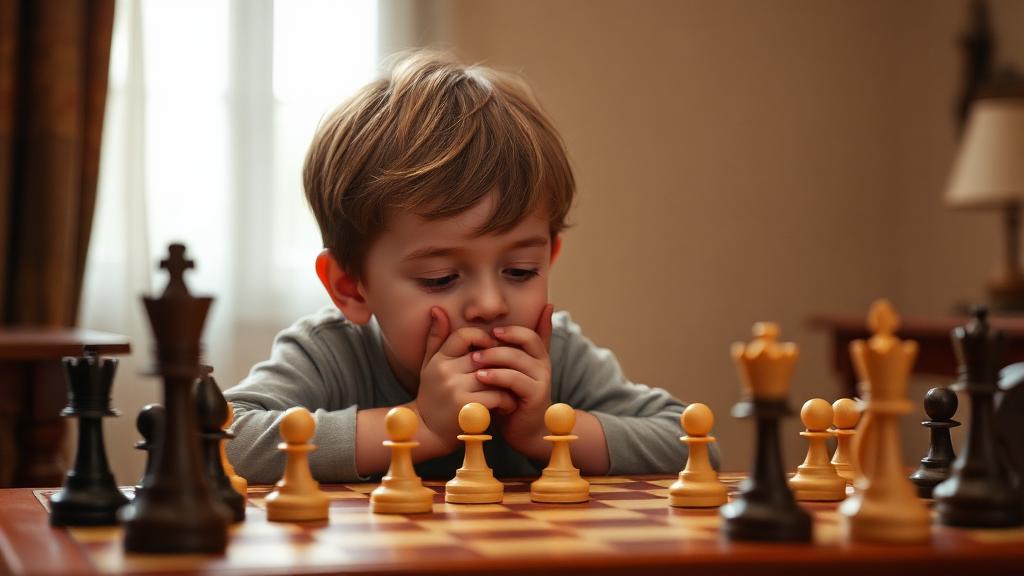
Chess's pace allows children to: - Notice emotional reactions arising - Choose responses rather than reacting automatically - Practice calming techniques between moves - Experience emotions without being controlled by them
Repeated Practice Builds Skills
Each game offers multiple emotional moments. Over hundreds of games, children: - Recognize patterns in their emotional responses - Develop reliable coping strategies - Build confidence in their regulation abilities - Experience the benefits of emotional control
Practical Emotional Regulation Skills from Chess
The Pause Before Moving
Good chess practice includes: - Noticing impulses before acting - Creating space between emotion and action - Checking decisions against emotional state - Choosing responses deliberately
Recovery from Mistakes
After blunders, skilled players: - Acknowledge the error without dwelling - Refocus on current position - Maintain effort despite setbacks - Learn without self-punishment
Managing Time Pressure
In timed games, children learn to: - Recognize anxiety's physical symptoms - Apply calming techniques quickly - Perform under pressure - Maintain quality despite stress
Processing Outcomes
After games, emotional regulation includes: - Allowing feelings without being overwhelmed - Maintaining perspective on results - Transitioning to constructive analysis - Moving forward regardless of outcome
Supporting Emotional Development Through Chess
Create Safety for Emotional Expression
Let children know: - All feelings are acceptable - Expressing emotions is healthy - Support is available during difficult moments
Teach Specific Techniques
Provide tools such as: - Deep breathing between moves - Physical tension release - Positive self-talk scripts - Refocusing strategies
Model Emotional Regulation
Demonstrate: - Calm responses to frustrating situations - Healthy processing of disappointments - Recovery from your own setbacks
Celebrate Regulation Successes
Notice and praise when children: - Recover from difficult moments - Stay calm under pressure - Process losses constructively - Manage excitement appropriately
How Chessmates.in Develops Emotional Intelligence
Our approach integrates emotional learning: - Coaching on emotional awareness during games - Techniques for managing common emotional challenges - Safe environment for practicing regulation skills - Discussion of emotional aspects of chess performance - Recognition of emotional growth alongside chess improvement
FAQs About Chess and Emotional Regulation
1. My child gets very emotional during games. Will chess help or hurt? With proper support, chess provides exactly the practice needed to develop better regulation.
2. How do I help after a particularly difficult loss? Provide presence and support first, then gentle discussion when emotions have settled.
3. Can chess help with anger management? Yes — the clear consequences of anger-driven moves provide powerful lessons.
4. At what age can children benefit emotionally from chess? Children as young as 5-6 can begin developing emotional awareness through chess.
5. Should I intervene during games when my child is struggling emotionally? Generally, allow them to practice managing emotions independently, with support available afterward.
Conclusion: Feelings on the Board
Chess offers children something valuable: a place to experience, understand, and learn to manage their emotions within a structured, supportive context. Every game becomes practice for emotional intelligence.
At Chessmates.in, we develop not just chess skills but emotional capabilities. Our students learn to recognize their feelings, understand their impact, and respond constructively — skills that serve them in every area of life.
Enroll your child in chess education that develops the whole person. On the 64 squares, they'll build emotional wisdom that lasts a lifetime.