How Chess Quietly Builds Empathy in Competitive Kids
By Lalit Akhade, Founder & Head Coach, ChessMates Academy · Published 2024-12-25 · 5 min read
Introduction: Beyond Competition to Connection
Chess is often viewed as a purely competitive, individual pursuit. Yet within the game lies remarkable potential for developing empathy and social skills. Understanding your opponent's perspective, reading emotional cues, and navigating social dynamics are all integral to chess success — and to thriving in life.
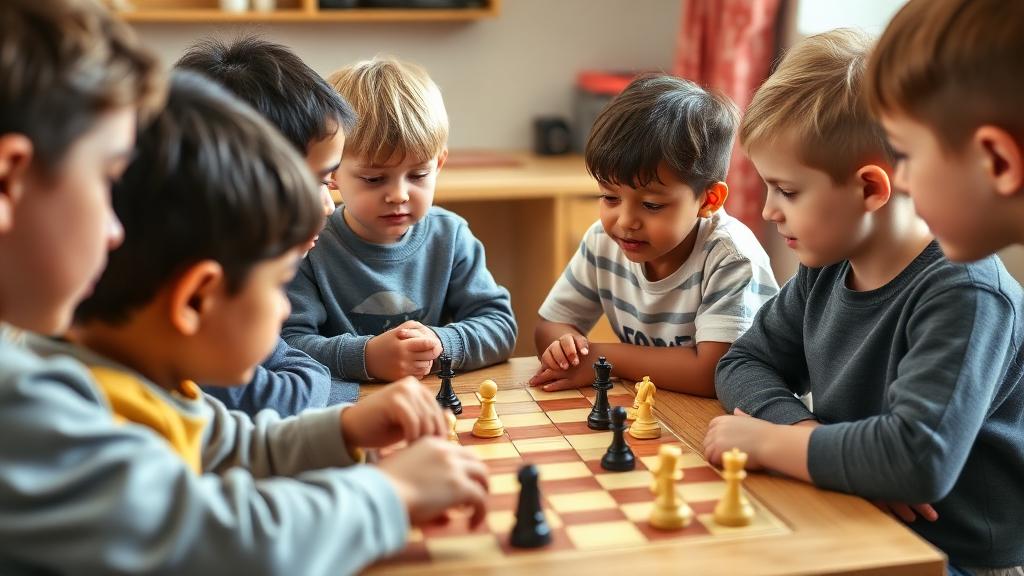
For children, chess provides structured opportunities to practice social interaction within clear boundaries — exactly what many young people need to develop confident, empathetic social skills.
How Chess Develops Empathy
Perspective-Taking Is Essential
Good chess requires constantly asking: "What is my opponent thinking?" This fundamental question develops perspective-taking abilities: - Predicting opponent's plans - Understanding their threats - Anticipating their responses
This cognitive exercise in seeing through others' eyes transfers directly to social empathy.
Reading Non-Verbal Cues
In over-the-board chess, observant players notice: - Body language indicating confidence or uncertainty - Timing patterns suggesting comfort or struggle - Facial expressions revealing emotional states
This attention to non-verbal communication builds skills applicable to all social interactions.
Understanding Different Thinking Styles
Through chess, children encounter diverse approaches: - Aggressive vs. defensive players - Tactical vs. positional thinkers - Quick vs. deliberate decision-makers
Learning to adapt to different styles develops social flexibility.
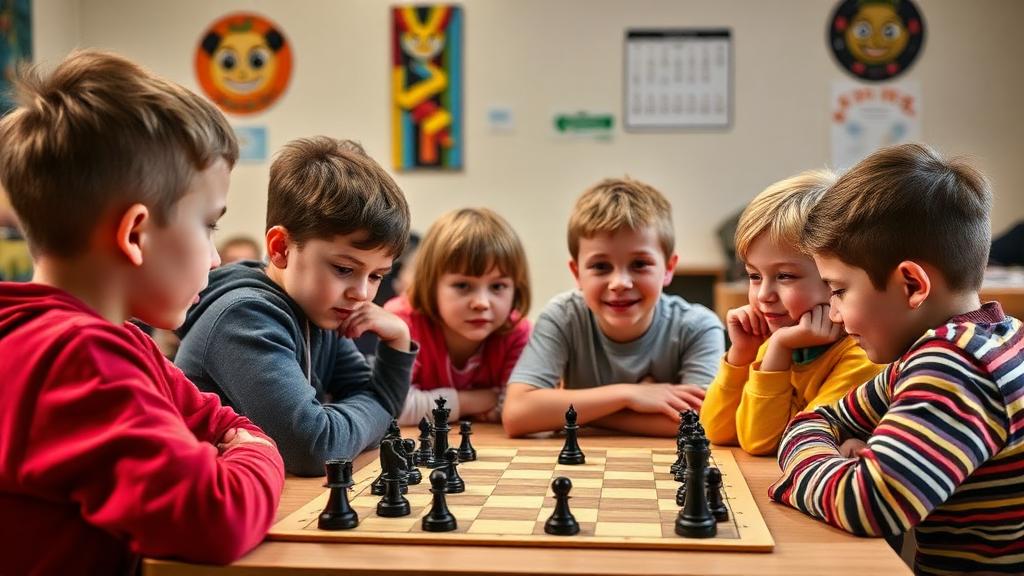
Social Skills Developed Through Chess
Structured Conversation Practice
Chess provides natural conversation frameworks: - Pre-game greetings and small talk - Post-game analysis discussions - Tournament social interactions
These structured contexts reduce social anxiety while building skills.
Friendship Formation
Chess creates friendship opportunities through: - Shared interest providing common ground - Regular interaction in lessons and clubs - Partnership in team events - Mutual respect developed through competition
Conflict Navigation
Chess teaches healthy conflict engagement: - Competing intensely within rules - Maintaining respect despite opposition - Resolving disputes fairly - Recovering relationships after competitive tension
Group Dynamics
Chess clubs and tournaments expose children to: - Diverse personalities and backgrounds - Age-mixed social groups - Formal and informal social structures - Community norms and expectations
Practical Social Lessons from Chess
The Value of Listening
In chess analysis, the best learners listen more than they talk: - Others' insights often reveal blind spots - Questions show interest and build rapport - Understanding precedes being understood
Respecting Differences
Chess communities include people from all backgrounds: - Cultural diversity in global chess - Age differences in club settings - Varying communication styles
Collaboration Within Competition
Even competitors can collaborate: - Sharing opening knowledge - Practicing together - Celebrating each other's achievements
Appropriate Self-Advocacy
Chess teaches children to: - Ask for what they need (explanations, time, etc.) - Assert boundaries respectfully - Express disagreement constructively
Supporting Social Development Through Chess
Choose Social Environments Carefully
Look for chess settings that emphasize: - Community alongside competition - Positive group dynamics - Inclusive practices - Adult role models demonstrating desired behaviors
Encourage Social Participation
Support involvement in: - Group lessons over purely individual instruction - Chess club activities beyond playing - Team tournaments requiring collaboration - Post-game analysis with peers
Process Social Situations
Help children reflect on: - What social interactions felt comfortable or challenging - How they handled difficult moments - What they might do differently next time
How Chessmates.in Builds Social Skills
Our community approach develops whole children: - Group activities building teamwork and friendship - Social skill coaching integrated with chess instruction - Diverse community exposing children to various backgrounds - Collaborative learning emphasizing mutual support - Mentorship opportunities for developing leadership
FAQs About Chess and Social Development
1. Can chess help children with social anxiety? Yes — the structured nature of chess interactions can provide comfortable entry points for socially anxious children.
2. Will competitive chess harm friendships? With proper guidance, competition strengthens rather than damages relationships.
3. How does online chess compare for social development? Online chess offers some benefits but lacks the rich non-verbal interaction of in-person play.
4. Can chess help children with autism spectrum conditions? Many autistic children thrive in chess due to its clear rules and structured social interactions.
5. At what age do social benefits become apparent? Social skill development can begin with chess at any age, with benefits often visible within months.
Conclusion: Connection Through Competition
Chess offers far more than intellectual development. Within its structured competitive framework lies rich potential for building empathy, friendship, and social confidence.
At Chessmates.in, we cultivate communities where children develop as people, not just players. Through chess, they learn to see through others' eyes, form meaningful connections, and navigate social situations with increasing confidence.
Enroll your child in a chess community where competition builds connection. The skills they develop will serve them in every relationship throughout their lives.