Why Girls Are Quietly Dominating Chess (And Breaking Stereotypes)
By Lalit Akhade, Founder & Head Coach, ChessMates Academy · Published 2024-11-19 · 6 min read
Introduction: Breaking Barriers in Chess
Despite chess being a game where physical differences provide no advantage, and despite famous women champions throughout history, the chess world has long struggled with gender imbalance. Today, only about 15% of rated chess players worldwide are female.
This guide explores the state of girls in chess, addresses common barriers to participation, and provides practical strategies for parents, coaches, and organizations committed to supporting girls' chess development. More girls in chess benefits everyone — it enlarges the community, brings new perspectives, and challenges outdated assumptions.
The Current State of Girls in Chess
The Numbers
Global Participation Statistics: - Women comprise 15-16% of rated chess players worldwide - Female participation varies significantly by country - Younger age groups show better balance than adult populations - Numbers have improved over past decades but remain imbalanced
At Elite Levels: - Top female rating hovers around 2600 (vs. 2850+ for men) - No woman has held the absolute World Championship title - Judit Polgar reached World #8 (all-genders), showing potential
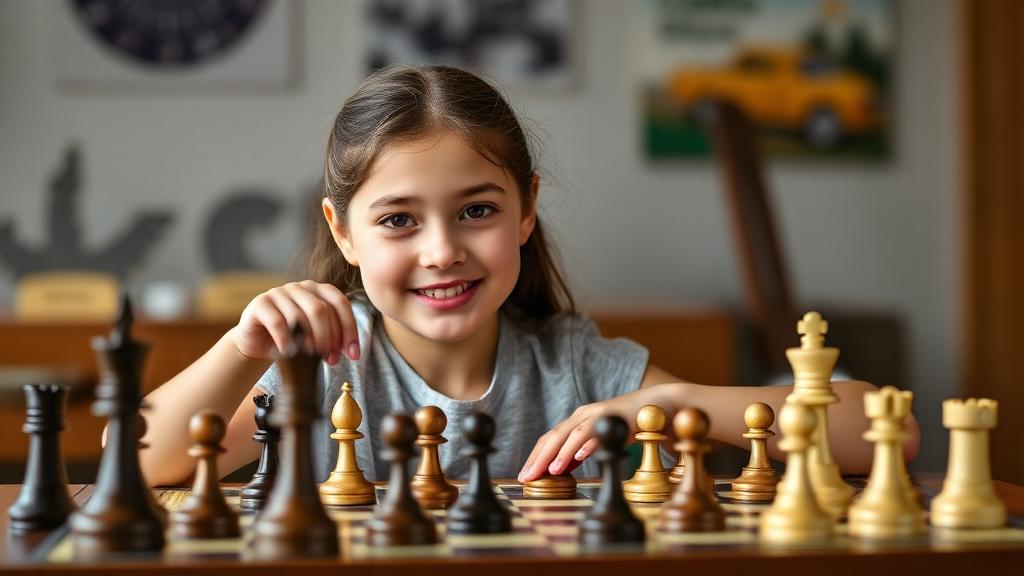
Why the Imbalance Exists
Social and Cultural Factors: - Stereotypes suggesting chess is a "male" game - Fewer female role models and visibility - Lower expectations from parents and educators - Less encouragement for girls to compete - Minority status creating unwelcoming environments
Not Ability-Based: - Research shows no inherent cognitive difference in chess ability - Identical teaching produces identical early results - Gap emerges from participation rates, not ability - When controlling for practice hours, gender differences disappear
Why It Matters
For Individual Girls: - Missing valuable cognitive and personal development - Limited access to chess scholarships and opportunities - Fewer female peers and role models
For the Chess Community: - Losing 50% of potential talent - Missing diverse perspectives and approaches - Perpetuating stereotypes that harm everyone
Common Barriers and How to Address Them
Barrier 1: Stereotype Threat
The Problem: Girls often underperform when reminded of gender stereotypes about chess.
Solutions: - Emphasize skill development over gender - Provide examples of successful female players - Create environments where gender isn't highlighted - Challenge stereotypes directly when encountered
Barrier 2: Lack of Visible Role Models
The Problem: Girls don't see themselves represented in chess media, instruction, and competition.
Solutions: - Study games of female champions - Invite female chess players to speak or coach - Display images of diverse chess players - Share stories of women's chess history
Barrier 3: Minority Status Discomfort
The Problem: Being one of few girls in chess creates social challenges.
Solutions: - Girls-only groups or clubs (while maintaining mixed play) - Support networks among female players - Friendly environments where diversity is welcomed - Zero tolerance for sexist behavior
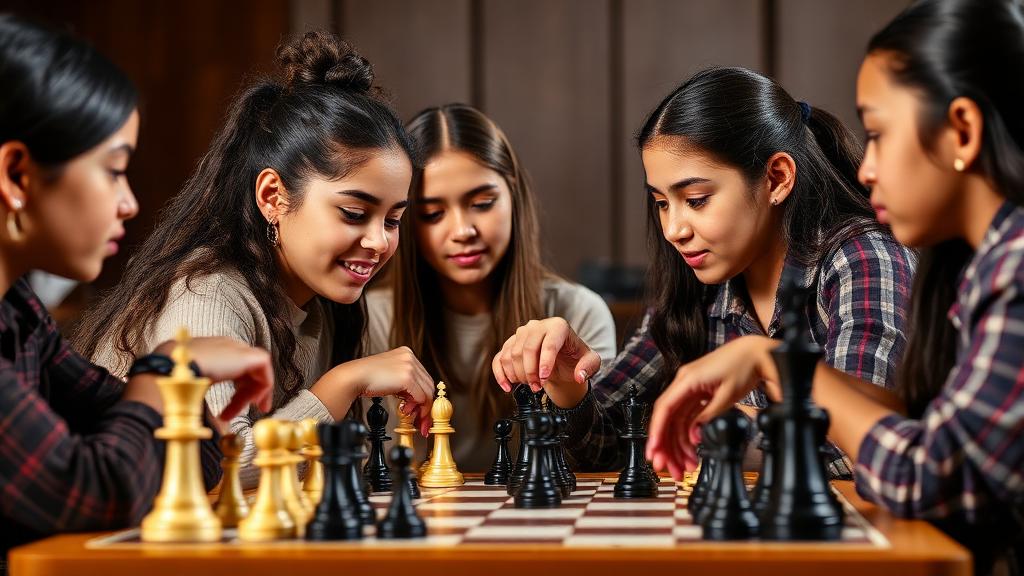
Barrier 4: Different Treatment
The Problem: Girls sometimes receive less challenging instruction, lower expectations, or unwanted attention.
Solutions: - Same high expectations for all students - Focus on play, not appearance or gender - Training for coaches on gender-neutral instruction - Clear policies against inappropriate behavior
Barrier 5: Family and Social Discouragement
The Problem: Some families discourage chess as inappropriate for girls.
Solutions: - Education about chess benefits for all children - Emphasizing cognitive and academic advantages - Connecting with other chess families - Addressing specific family concerns directly
Strategies for Parents
Supporting Your Daughter's Chess Journey
Create Equal Opportunity: - Provide same resources as you would for a son - Invest in coaching and training equally - Support tournament participation fully - Treat chess as legitimate activity for her
Normalize Female Chess Participation: - Never suggest chess is unusual for girls - Expect success without surprise - Challenge others' stereotypes when needed - Find female chess role models together
Handle Challenges Constructively: - Address sexism when it occurs - Support without overprotecting - Build resilience while maintaining safety - Communicate with coaches about concerns
Choosing the Right Environment
Signs of Girl-Friendly Chess Environment: - Respectful treatment of all players - Zero tolerance for sexist behavior - Female representation among students and staff - Focus on chess, not gender - Welcoming atmosphere for diverse players
Red Flags: - Jokes or comments about girls playing chess - Lower expectations for female players - Absence of female players in program - Uncomfortable or unwelcoming atmosphere - Tolerance of inappropriate behavior
Strategies for Coaches
Creating Inclusive Instruction
Equal Treatment Principles: - Same level of challenge for all students - Equal attention and feedback - Identical expectations for achievement - Focus on chess improvement, period
Awareness of Bias: - Monitor own assumptions and behavior - Avoid gendered language - Don't lower expectations for girls - Challenge stereotypes actively
Building Female Participation: - Actively recruit female students - Create welcoming environment - Provide female role model exposure - Consider girls-only groups strategically
Handling Problematic Behavior
When Sexism Occurs: - Address immediately and directly - Support targeted student - Clear consequences for perpetrators - Follow up to prevent recurrence
Zero Tolerance Standards: - Clear policies against harassment - Consistent enforcement - Safe reporting mechanisms - Protection of complainants
Role Models in Women's Chess
Historical Champions
Vera Menchik: First Women's World Champion, competed equally with men Nona Gaprindashvili: First female International Master, dominant champion Maya Chiburdanidze: World Champion at age 17 Susan Polgar: First woman to earn Grandmaster title through standard norms
Modern Inspirations
Judit Polgar: Reached World #8 overall, proving women can compete at highest levels Hou Yifan: Current top-rated woman, prodigy who became World Champion at 16 The Polgar Sisters: Three sisters trained identically with boys, all became chess champions
Lessons from Role Models
Key Themes in Their Stories: - Equal training and expectations from young age - Strong family support - Competing against boys/men, not avoiding them - Perseverance through challenges - Focus on improvement, not gender barriers
Girls' Chess Initiatives
Programs and Organizations
ChessKid: Strong commitment to diverse representation Girls Chess Club: Dedicated online community National Girls Tournaments: Many federations run girls-only events Camp programs: Various summer camps for girls
The Debate: Girls-Only Events
Arguments For: - Provides comfortable entry point - Creates community among female players - Prizes and recognition specifically for girls - May encourage continued participation
Arguments Against: - May suggest girls can't compete with boys - Separate can mean unequal - Eventual integration still required - Limited competition pool
Balanced Approach: - Girls-only introductory programs - Mixed competition as primary venue - Girls-only sections within larger tournaments - Focus on building confidence for mixed play
What Success Looks Like
For Individual Girls
Short-Term Success: - Enjoying chess and wanting to continue - Feeling welcome and valued in chess community - Improving skills alongside male peers - Developing confidence in competitive environment
Long-Term Success: - Sustained chess participation - Achievement commensurate with effort and ability - Seeing chess as available career or lifelong hobby - Potential to serve as role model
For Chess Community
Progress Indicators: - Increasing female participation percentages - More female coaches and leaders - Equal treatment becoming norm, not exception - Disappearance of gender as notable factor
How Chessmates.in Supports Girls in Chess
Our program actively encourages female participation:
Equal Treatment: Same high expectations and quality instruction for all Welcoming Environment: Zero tolerance for sexism; diverse community valued Female Role Models: Exposure to women's chess achievements Family Support: Guidance for parents on supporting daughters Flexibility: Accommodating different comfort levels for competition
FAQs About Girls in Chess
1. Is chess harder for girls to learn? Absolutely not — there's no cognitive difference in chess learning ability.
2. Should my daughter play only against girls? Mixed play develops stronger skills; girls-only groups can supplement but shouldn't replace mixed play.
3. How do I respond to sexist comments? Address directly, protect your daughter, and work with program leadership on solutions.
4. Are girls' tournaments worth entering? They provide community and recognition; combine with regular tournaments for full development.
5. What if my daughter wants to quit due to treatment? Take concerns seriously, address problems, consider environment change, but preserve love of chess.
Conclusion: Building an Inclusive Chess Future
Every girl who learns chess is part of changing the game's demographics and culture. Parents who support their daughters' chess journeys, coaches who provide equal treatment, and communities that welcome diversity are all building a more inclusive chess world.
At Chessmates.in, we believe chess is for everyone. Our program actively encourages girls' participation while providing the same high-quality instruction we offer all students. We're committed to an environment where gender is irrelevant to chess achievement.
Ready to give your daughter the opportunity to discover chess? Book a trial lesson and experience instruction designed for every aspiring chess player.