Chess Boosts Memory by 40%? What the Research Shows
By Lalit Akhade, Founder & Head Coach, ChessMates Academy · Published 2025-01-11 · 6 min read
Introduction: Why Memory and Concentration Matter Today
In a world filled with instant entertainment and constant distractions, children often struggle with maintaining focus and retaining information. Between phones, notifications, and fast-paced media, the modern child's attention span is shrinking faster than ever.
This is where chess becomes a powerful tool.
Chess is uniquely designed to strengthen the brain. It requires students to remember patterns, calculate moves, analyze threats, and stay focused for extended periods. Over time, these habits develop into strong memory and exceptional concentration.
For parents seeking meaningful, brain-boosting activities for their children, chess stands out as one of the most effective tools — especially when taught through structured, kid-friendly platforms like Chessmates.in.
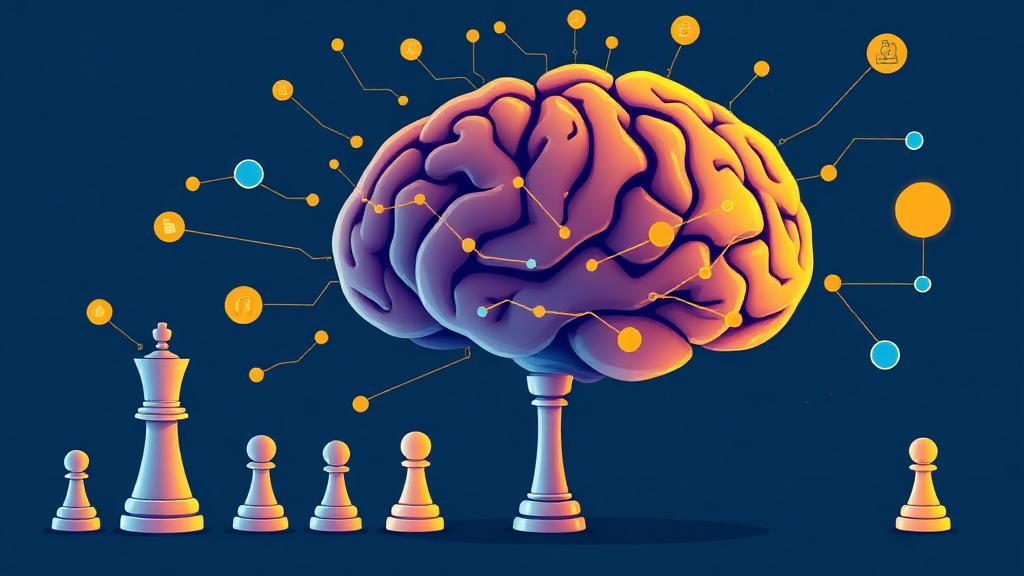
How Chess Engages the Brain
Chess is one of the rare activities that activates both hemispheres of the brain simultaneously.
The Left Brain and Logical Thinking
The left side of the brain controls:
- Logic
- Analysis
- Sequencing
- Computation
Chess stimulates left-brain processes through evaluating threats, calculating moves, and predicting outcomes.
The Right Brain and Creativity
The right side of the brain handles:
- Visualization
- Creativity
- Imagination
- Pattern recognition
Chess encourages kids to imagine future positions, visualize moves, and create new strategies — strengthening right-brain pathways.
This dual activation makes chess one of the most complete brain exercises for children.
1. Chess Boosts Short-Term Memory
Short-term memory is essential for classroom learning, following instructions, and staying organized.
Tracking Pieces and Positions
During a game, a child must remember:
- Where each piece is located
- What pieces were captured
- Which squares are safe or dangerous
- Possible threats in the next move
This forces the brain to store and update information continuously — a workout for short-term memory.
Remembering Opponent Patterns
Children also learn to recall how their opponents usually play:
- Aggressive openings
- Defensive positions
- Common traps
This strengthens observation and recall skills essential in schoolwork.
2. Chess Strengthens Long-Term Memory
Long-term memory is built through repetition, practice, and recognition — all core parts of chess training.
Learning Openings and Patterns
Children memorize:
- Opening moves
- Tactical combinations
- Endgame principles
These become stored in long-term memory through regular practice.
Retaining Strategies for Future Games
As kids progress, they remember:
- Strategies that worked
- Mistakes to avoid
- Strong defensive patterns
- Previous tournament experiences
This improves analytical thinking and self-reflection — two skills critical for academic success.
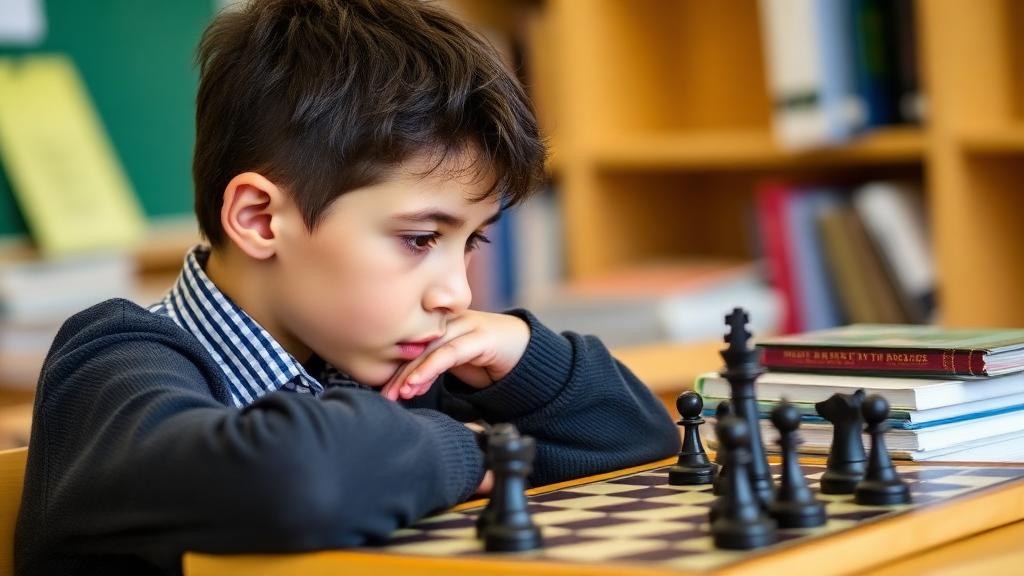
3. How Chess Develops Deep Concentration
Concentration is the foundation of success in academics, sports, and personal development.
The Role of Focus in Game Strategy
To win, a child must:
- Pay attention to every move
- Think multiple steps ahead
- Stay alert for the entire game
Training the Mind to Ignore Distractions
Chess teaches the brain to prioritize important information and block out irrelevant noise — a skill vital in classrooms and study sessions.
4. Chess Improves Cognitive Processing Speed
Cognitive processing speed is how quickly the brain understands and reacts to information.
Quick Evaluations Under Pressure
Chess players must:
- Evaluate threats fast
- Identify tactics quickly
- React to unexpected moves
This rapid-fire analysis increases mental agility.
Faster Pattern Recognition
Over time, children develop:
- Faster analysis
- Quicker understanding of patterns
- Improved ability to make smart decisions
This helps them excel in timed tests and academic challenges.
5. Chess Enhances Academic Performance
Memory and concentration directly influence academic success.
Impact on Math Skills
Chess strengthens:
- Logical reasoning
- Pattern recognition
- Problem-solving
- Sequencing
These abilities are directly linked to better performance in mathematics.
Impact on Reading and Comprehension
Chess helps children:
- Understand cause and effect
- Predict outcomes
- Analyze stories
- Follow complex sequences
These skills improve reading comprehension and writing abilities.
6. Chess Helps Build Mental Discipline
Mental discipline is essential for school, sports, and personal growth.
Thinking Before Acting
Chess teaches children to pause and think instead of reacting impulsively. This habit improves judgment and decision-making.
Controlling Emotions During Play
Children learn to manage frustration, stay calm under pressure, and maintain focus even when losing.
7. Chess Encourages Mindfulness
Mindfulness means being present in the moment — a skill many adults struggle with.
Being Present in Each Move
Chess trains children to:
- Focus on the current moment
- Avoid distractions
- Stay mentally grounded
This enhances emotional stability.
Emotional Calmness Through Focus
Chess naturally induces calm concentration, helping reduce stress and anxiety.
8. Chess Improves Attention Span Over Time
Attention span increases gradually with consistent chess practice.
From 5 Minutes to 45 Minutes of Focus
Most children begin with short games, but over time:
- They focus longer
- Play more complex games
- Develop sustained attention
9. Chess Supports Healthy Brain Development
Chess strengthens the brain's structure.
Neural Pathways and Plasticity
Regular chess practice enhances:
- Neural growth
- Plasticity
- Brain connectivity
This leads to faster learning and better retention.
Memory Formation and Recall
Chess improves the brain's ability to store and retrieve information — essential for academic success.
10. Chess Builds Consistency and Mental Endurance
Mental endurance is the ability to focus for long periods without losing quality of thought.
Staying Focused for Long Durations
As children play tournaments, they learn to maintain focus for:
- 30 minutes
- 1 hour
- Even longer competitive games
Handling Mental Fatigue
Chess teaches children how to push through mental tiredness — a skill useful during exams or project work.
The Science Behind Chess and Memory
Scientific studies show that chess improves:
- Working memory
- Executive function
- Cognitive flexibility
- Processing speed
Brain scans reveal enhanced activity in the frontal and parietal lobes — areas responsible for reasoning and memory.
Real-Life Examples of Children Who Improved Memory and Focus
Many young learners at Chessmates.in have shown remarkable improvements:
- Students who struggled with concentration began scoring higher in school tests.
- Children with poor memory saw progress through daily puzzles.
- Shy children became more confident and attentive in class.
Structured chess learning makes all the difference.
How Chessmates.in Enhances Memory and Concentration
Chessmates.in uses:
- Age-specific training
- Regular puzzles
- Guided memory exercises
- Tournament practice
- Focus-building strategies
- Weekly progress reports
Every session strengthens the child's brain through positive, engaging challenges.
FAQs
1. How long before chess improves memory? Most children show improvement within 6–8 weeks of consistent practice.
2. Can chess help children with attention difficulties? Yes. Chess is widely used to build focus and reduce distractibility.
3. Does online chess improve concentration like offline chess? Yes — platforms like Chessmates.in are specifically designed to improve attention through interactive learning.
4. How often should kids play to see benefits? 20–30 minutes a day is ideal.
5. Is chess helpful during exam preparation? Absolutely. Chess strengthens focus, planning, and mental stamina.
Conclusion and Invitation to Begin the Journey
Chess is one of the most effective, enjoyable, and scientifically proven ways to improve a child's memory, concentration, and overall brainpower. In a world full of distractions, chess builds clarity, focus, and mental strength.
Through structured, child-friendly programs on Chessmates.in, your child can develop these essential skills while having fun and learning at their own pace.
If you want your child to gain sharper memory, stronger focus, and lifelong mental discipline — the journey begins with a single move.