Chess + Other Activities: How to Balance Without Burnout
By Lalit Akhade, Founder & Head Coach, ChessMates Academy · Published 2024-12-03 · 5 min read
Introduction: Finding Harmony in a Busy Life
Modern children face unprecedented scheduling pressure, with parents navigating complex calendars filled with academics, sports, arts, and social activities. Adding chess to an already full schedule requires thoughtful balance — ensuring chess enriches rather than overwhelms your child's development.
This guide explores how to successfully integrate chess with other extracurricular activities, creating harmony that allows children to benefit from multiple pursuits without sacrificing depth or well-being.
Understanding the Balance Challenge
The Modern Child's Schedule
Today's children often juggle: - Multiple sports (team and individual) - Music lessons and practice - Academic enrichment and tutoring - Art, dance, or theater programs - Religious education - Social activities and family time
Adding chess to this mix raises legitimate concerns about over-scheduling, burnout, and shallow engagement across too many activities.
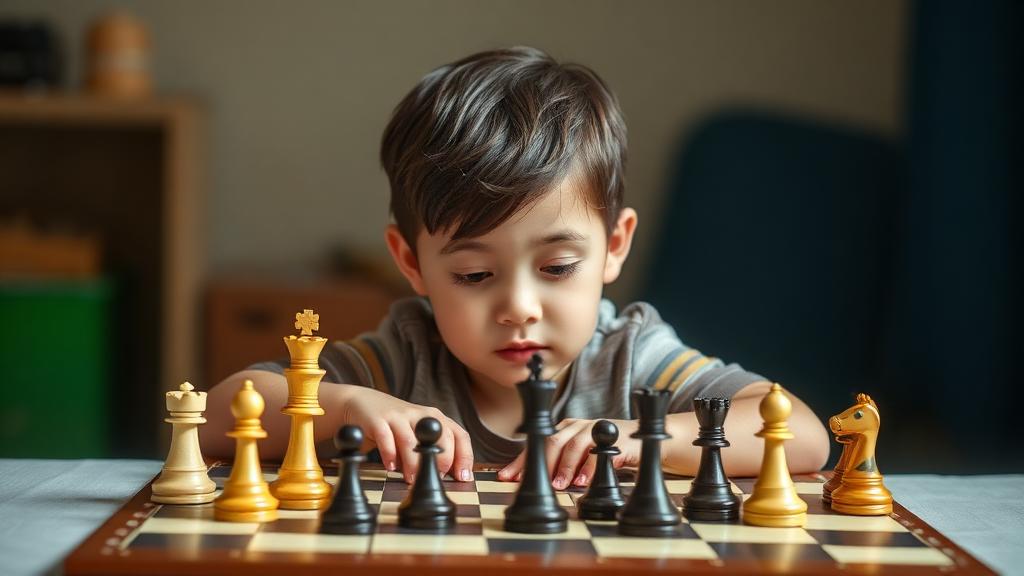
Why Chess Deserves a Place
Despite scheduling challenges, chess offers unique value: - Cognitive development that enhances academic performance - Mental discipline transferable to other pursuits - Flexible scheduling (especially online) that accommodates other activities - Lifelong accessibility unlike many youth activities - Lower physical demands providing balance to athletic pursuits
Strategies for Successful Integration
Audit Current Commitments
Before adding chess, honestly evaluate: - How many activities your child currently pursues - Which activities provide meaningful engagement versus superficial participation - What free time exists for rest, play, and family - Which activities align with long-term development goals
Determine Chess's Priority Level
Chess can serve different roles:
Primary Focus: Chess as main extracurricular with significant time investment Secondary Activity: Regular but moderate engagement alongside primary pursuits Supplementary Interest: Casual participation for enrichment without competitive pressure Seasonal Activity: Intensive periods alternating with breaks
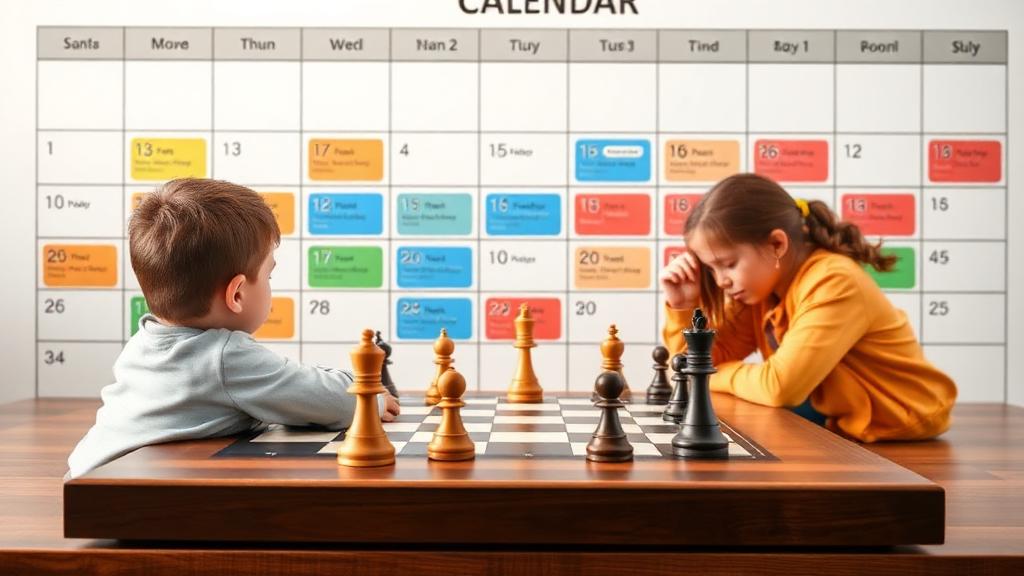
Create Sustainable Schedules
Avoid Daily Conflicts: Schedule chess during times that don't compete with primary activities Build in Rest: Ensure some days without structured activities Group Similar Activities: Intellectual activities on some days, physical on others Protect Family Time: Reserve time for unstructured family interaction Allow Flexibility: Build schedules that can adjust for special events or needs
Chess and Sports: Complementary Development
How Chess Enhances Athletic Performance
Chess develops mental skills valuable in sports: - Strategic thinking for game situations - Focus and concentration for pressure moments - Patience for long-term development - Decision-making under stress - Learning from losses constructively
How Sports Enhance Chess
Athletic pursuits complement chess development: - Physical fitness supports cognitive function - Team experiences provide social balance - Competitive exposure prepares for tournament pressure - Different success measures prevent over-identification with one activity
Scheduling Considerations
- Team sports have fixed schedules; chess may need to work around them
- Athletic seasons allow for chess intensity during off-seasons
- Pre-game days may be poor timing for intensive chess study
- Recovery days from physical exertion can accommodate mental activity
Chess and Music: Parallel Disciplines
Synergies Between Chess and Music
Both disciplines develop: - Pattern recognition and memory - Disciplined practice habits - Performance under pressure - Long-term skill building - Creative problem-solving
Managing Dual Practice Requirements
Both chess and music require consistent practice. Balance through: - Dividing practice time rather than eliminating one - Using different times of day for each - Recognizing that both benefit from consistent short sessions over sporadic long ones - Finding efficiencies in each practice routine
Chess and Academic Enrichment
Complementary Cognitive Development
Chess enhances rather than competes with academic enrichment: - Mathematical reasoning development transfers directly - Reading comprehension skills apply to chess study - Analytical thinking crosses domains - Study skills developed in chess support academics
Avoiding Over-Intellectualization
While chess and academics synergize, children need balance: - Include physical and creative activities - Ensure unstructured play time - Watch for signs of mental fatigue - Balance intellectual challenge with enjoyment
Recognizing and Preventing Over-Scheduling
Warning Signs
Watch for: - Chronic fatigue or difficulty waking - Declining performance across activities - Resistance to previously enjoyed activities - Anxiety about schedules or performance - Social withdrawal or mood changes - Physical symptoms like headaches or stomachaches
Prevention Strategies
- Quality over quantity: Fewer activities with deeper engagement
- Child input: Let children help choose priorities
- Regular evaluation: Reassess schedule fit quarterly
- Seasonal adjustment: Vary intensity across the year
- Scheduled downtime: Rest is part of the schedule
Making Cuts When Necessary
Decision Criteria
When something must give, consider: - Which activities provide deepest engagement and joy? - Which align best with long-term development goals? - Which offer unique benefits others don't? - What does your child most want to continue?
Graceful Transitions
When reducing activities: - Frame positively as focus rather than failure - Allow natural transition points (end of season, semester) - Keep doors open for future return - Celebrate what was gained from the experience
How Chessmates.in Supports Balance
Our programs are designed for busy families:
Flexible Scheduling: Multiple time options including evenings and weekends Session Lengths: Various durations from 30-60 minutes to fit schedules Online Convenience: No travel time eating into other activities Adjustable Intensity: Easy to scale commitment up or down Practice Integration: Efficient practice fitting around other activities Vacation Flexibility: Pause or adjust during busy seasons
FAQs About Balancing Chess With Other Activities
1. How much time does chess really require? Minimum 2-3 hours weekly for steady progress; more for serious competitive development.
2. Can my child do chess only during sports off-seasons? Yes — seasonal engagement is a valid approach, though year-round consistency produces faster improvement.
3. Should chess replace another activity? Not necessarily — it often fits alongside others. Only replace if schedule is genuinely overloaded.
4. How do I know if we've added too much? Watch for stress signs, declining performance, or loss of enjoyment across activities.
5. What's the ideal number of extracurricular activities? No universal answer — depends on child's capacity, activity intensity, and family circumstances.
Conclusion: Enrichment Without Overwhelm
Successfully balancing chess with other extracurricular activities requires thoughtful prioritization, flexible scheduling, and ongoing attention to your child's well-being. When properly integrated, chess enriches rather than burdens, developing cognitive and character qualities that enhance performance across all pursuits.
At Chessmates.in, we understand busy families and design programs that fit real life. Our flexible scheduling, adjustable intensity, and online convenience make chess education accessible without overwhelming.
Discover how chess fits your family's unique schedule. Book a trial lesson and experience instruction designed for the reality of busy modern life.