The Chess Prodigy Myth: Why Average Kids Win Too
By Lalit Akhade, Founder & Head Coach, ChessMates Academy · Published 2024-11-03 · 6 min read
Introduction: The Prodigy Pressure
Every chess parent has heard about prodigies—children who achieve remarkable chess heights at impossibly young ages. These stories inspire but can also create unrealistic expectations that harm both children and their chess journeys.
This guide addresses the prodigy myth directly, providing realistic expectations for chess development and helping parents support their children's growth without the distortions that prodigy narratives can create.
Understanding the Prodigy Phenomenon
What "Prodigy" Actually Means
True Prodigies Are Extremely Rare: - Perhaps 1 in 100,000+ players has prodigy-level talent - Even exceptional children are not necessarily prodigies - Prodigy development involves many factors beyond talent - Most successful chess players were not child prodigies
Characteristics of Genuine Prodigies: - Exceptional ability evident very early - Rapid progression without extensive training - Performance far ahead of age peers - Often obsessive focus on chess - Usually supported by intensive resources
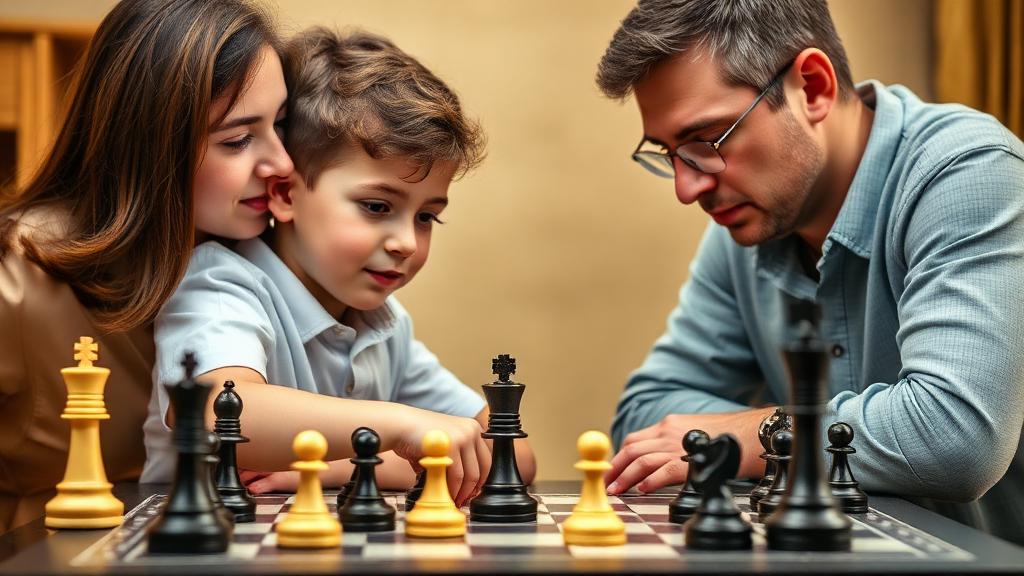
Famous Prodigy Stories: Context Matters
What We Usually Hear: - Age when GM title achieved - Remarkable tournament victories - Stories of defeating masters as children
What We Often Miss: - Intensive training from early age - Exceptional family support and resources - Sacrifice of other childhood activities - Selection bias (we only hear about successes) - Many talented children didn't become GMs
The Survivorship Bias Problem
What It Means: We see the successful prodigies but not the many talented children who didn't reach elite levels.
Reality: - For every celebrated prodigy, many equally promising children plateaued - Early achievement doesn't guarantee later success - Many strong grandmasters developed more slowly - The path to chess excellence is varied
Realistic Development Timelines
Age and Achievement Benchmarks
Typical Strong Development (not prodigy, but successful):
| Age | Strong Amateur | Future Master | Potential GM |
|---|---|---|---|
| 8 | 800-1000 | 1000-1200 | 1200-1400 |
| 10 | 1000-1200 | 1300-1500 | 1500-1800 |
| 12 | 1200-1400 | 1500-1800 | 1800-2100 |
| 14 | 1400-1600 | 1800-2100 | 2100-2300 |
| 16 | 1600-1800 | 2100-2200 | 2300-2400+ |
Important Notes: - These are rough guidelines only - Individual variation is enormous - Late bloomers exist at every level - Progress is not always linear
Rate of Improvement Matters
More Important Than Absolute Rating: - How quickly is the child improving? - Is improvement consistent over time? - Is the trajectory sustainable? - Are they enjoying the journey?
Healthy Improvement Rates: - 100-200 points per year is excellent - Plateaus are normal and temporary - Improvement slows at higher levels - Sustainable progress beats rapid burnout
The Dangers of Prodigy Expectations
Psychological Impact on Children
When Expectations Are Too High: - Anxiety and fear of failure - Loss of enjoyment - Identity tied to chess success - Burnout and quitting - Self-worth issues
Signs of Unhealthy Pressure: - Reluctance to play or study - Extreme upset at losses - Perfectionism about results - Loss of interest in chess - Stress-related physical symptoms
Impact on Parent-Child Relationships
When Chess Becomes Conflict: - Tension around practice and performance - Child hiding true feelings about chess - Parent investment creating pressure - Resentment from child - Chess becoming obligation not joy
Missing the Point
What Gets Lost: - Enjoyment of the game - Cognitive and character benefits - Social connections through chess - Intrinsic motivation - The journey itself
Defining Success Beyond Prodigy Status
Multiple Valid Outcomes
Chess Success Can Mean: - Lifelong enjoyment of the game - Strong amateur play - College opportunities through chess - Coaching and teaching ability - Community and friendship - Cognitive development benefits
Not Everyone Needs to Be a GM: - Fewer than 2,000 GMs exist worldwide - Strong amateur play is achievable and rewarding - Chess benefits accrue at all levels - The joy of chess doesn't require titles
Individual Goals and Paths
Appropriate Goal-Setting: - Based on child's own interests and aspirations - Adjusted as understanding develops - Process-focused, not outcome-focused - Celebrating personal improvement
Questions to Consider: - Does your child love playing chess? - Are they enjoying their progress? - Is chess adding to their life? - Are expectations theirs or yours?
Healthy Approaches to Talented Children
If Your Child Is Exceptionally Talented
Recognize Without Pressuring: - Provide opportunity without demanding results - Let passion drive commitment - Ensure balanced development - Maintain perspective on priorities
Support Without Pushing: - Access to quality coaching - Opportunity for competition - Educational balance - Social and emotional development - Other interests and activities
If Your Child Is Average or Above Average
This Is Most Children—And That's Wonderful: - Chess benefits aren't reserved for prodigies - Improvement at any level is meaningful - Enjoyment and learning are the real rewards - Comparison to prodigies is harmful
How to Support: - Celebrate their personal progress - Focus on effort and learning - Maintain chess as enjoyable activity - Keep appropriate perspective
Managing Your Own Expectations
Honest Self-Reflection
Questions for Parents: - Why do I want my child to excel at chess? - Am I living vicariously through their chess? - Are my expectations based on their interests or mine? - Am I creating pressure that harms their experience?
Adjusting Perspective
Helpful Mindset Shifts: - "My child's chess journey is theirs, not mine" - "Success is improvement and enjoyment" - "The process matters more than the destination" - "My job is to support, not to push"
When to Seek Help
Consider Professional Support If: - Chess is causing family conflict - Child shows signs of anxiety or depression - Parent-child relationship is suffering - Unable to adjust expectations independently
Long-Term Perspective
Where Chess Fits in a Life
Chess as One Part of Development: - Not the defining element of childhood - One of many enriching activities - Contributor to overall development - Should enhance, not dominate life
Career and Life Outcomes
Successful Outcomes: - Many strong players pursue other careers - Chess skills transfer broadly - Lifelong hobby value - Network and community benefits
Not Requiring Professional Chess: - Most chess learners won't become professionals - This is normal and appropriate - Other paths are equally valid - Chess enriches life regardless
How Chessmates.in Maintains Healthy Perspective
Our approach prioritizes sustainable development:
Realistic Assessments: Honest evaluation without inflation Individual Goals: Based on each child's interests and abilities Enjoyment Focus: Keeping chess fun above all Parent Education: Helping families maintain perspective Balanced Development: Chess as part of whole-child growth Long-Term Thinking: Sustainable rather than pressured progress
FAQs About Expectations and Development
1. My child was called "talented" by their coach. Does that mean they could be a prodigy? Talented coaches often see. But "talented" doesn't mean prodigy. Focus on supporting their development appropriately.
2. How do I know if my expectations are too high? If your child is anxious, not enjoying chess, or the activity creates family conflict, expectations may need adjustment.
3. My child wants to be a grandmaster. Should I discourage this? Support the dream while helping them understand the work involved. Let experience inform their goals over time.
4. Is it too late for my 12-year-old to become really good at chess? Absolutely not. Many strong players started or intensified at this age. Development is highly individual.
5. What if my child loses interest in chess? This is normal and okay. The skills developed transfer to other areas. Forcing continuation usually backfires.
Conclusion: Love of the Game Above All
The greatest gift parents can give young chess players is freedom from prodigy expectations. Children who learn to love chess for its own sake—who experience the joy of improvement, the thrill of competition, and the satisfaction of problem-solving—receive benefits that transcend any title.
At Chessmates.in, we celebrate every child's chess journey, whether it leads to grandmaster titles or simply a lifetime of enjoyment. Our approach builds sustainable passion rather than pressured performance.
Ready to start a healthy chess journey? Book a trial lesson where improvement and enjoyment come first.