Why Losing at Chess Makes Kids Mentally Stronger
By Lalit Akhade, Founder & Head Coach, ChessMates Academy · Published 2024-12-27 · 6 min read
Introduction: The Gift of Losing Well
In chess, every player — from absolute beginner to world champion — loses games. There is no avoiding it. This simple reality makes chess one of life's most effective training grounds for resilience, the ability to recover from setbacks and grow stronger through adversity.
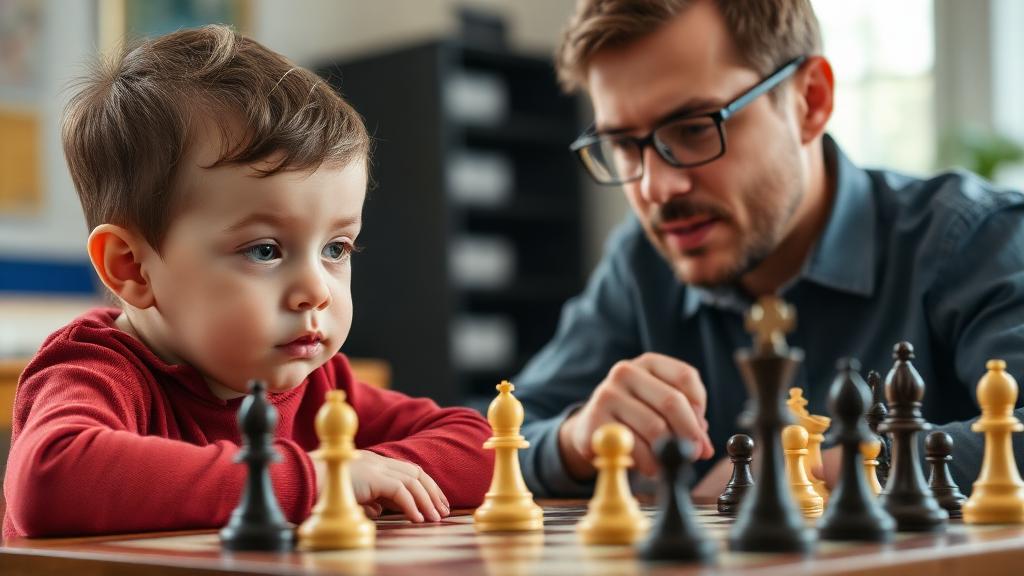
For children growing up in environments often designed to minimize failure, chess offers something valuable: safe, repeated exposure to losing, combined with tools to process defeat constructively and return stronger.
Why Chess Defeats Matter
Authentic Stakes Without Lasting Harm
Chess losses feel real — they matter to children who invest effort and emotion. Yet no game ends careers, causes injury, or produces permanent consequences. This makes chess ideal for building resilience safely.
Immediate Feedback Loop
Unlike many life setbacks where causes remain unclear, chess defeats usually offer identifiable lessons: - A tactical oversight - A strategic misunderstanding - Time management issues - Psychological pressure
This clarity helps children connect actions to outcomes, making losses genuinely educational.
Repeated Opportunities
One chess game ends; another can begin immediately. This rapid cycle allows children to: - Process disappointment quickly - Apply lessons learned - Experience recovery repeatedly - Build confidence in their ability to bounce back
The Psychology of Healthy Defeat Processing
Phase 1: Feeling the Loss
Healthy resilience doesn't mean not feeling disappointment. Children should: - Acknowledge their feelings - Understand that caring about outcomes is natural - Avoid suppressing emotions
Phase 2: Regaining Perspective
With time, children learn to: - Separate game outcomes from self-worth - Recognize that one loss doesn't define them - Remember previous recoveries
Phase 3: Extracting Lessons
The growth phase involves: - Analyzing what went wrong objectively - Identifying specific improvements - Recognizing what went well despite the loss
Phase 4: Moving Forward
Resilient players: - Approach the next game with renewed focus - Apply lessons learned - Maintain confidence despite setbacks
Building Resilience Through Chess Practice
Normalize Losing
Help children understand that: - Every great player loses regularly - Losing is essential to improvement - Fear of losing limits growth
Develop Analysis Habits
After losses, practice: - Waiting until emotions settle - Reviewing the game objectively - Finding the critical moment - Identifying what to practice
Celebrate Comeback Performances
When children recover from losses to play well: - Acknowledge the mental strength required - Connect the recovery to specific choices - Build narrative around resilience
Create Appropriate Challenge Levels
Children build resilience best when: - Winning roughly half their games - Facing opponents at similar skill levels - Experiencing both success and failure regularly
The Transfer to Life Challenges
Academic Setbacks
Children who handle chess losses well often: - Recover from poor test scores more effectively - Persist through challenging subjects - View academic struggles as temporary
Social Difficulties
Chess-developed resilience helps with: - Friendship conflicts - Rejection experiences - Social mistakes
Future Professional Challenges
Adults who learned resilience through chess often: - Handle career setbacks constructively - Persist through professional difficulties - Maintain confidence despite temporary failures
How Parents Can Support Resilience Development
Model Healthy Responses
When children lose: - Avoid immediate analysis while emotions run high - Express confidence in their ability to recover - Share your own experiences with setbacks
Avoid Overprotection
Resist urges to: - Make excuses for losses - Blame opponents or circumstances - Shield children from competitive situations
Provide Consistent Support
Let children know that: - Your support is unconditional - Losses don't change your view of them - You're proud of their effort regardless of outcomes
How Chessmates.in Develops Resilience
Our approach systematically builds mental toughness: - Graduated competition exposure matching readiness - Post-game processing with coach support - Growth mindset reinforcement in all interactions - Success stories of famous players overcoming losses - Safe environment for experiencing and processing setbacks
FAQs About Chess, Resilience, and Defeat
1. My child gets very upset after losses. Is chess right for them? Strong emotional responses often indicate children who care deeply — exactly who benefits most from resilience training.
2. How long should I wait before discussing a loss? Give emotions time to settle — usually 15-30 minutes minimum, longer for significant losses.
3. Should I let my child win when playing at home? Occasional wins maintain motivation, but regular authentic games build more resilience than artificial victories.
4. When does normal disappointment become concerning? If distress lasts hours, affects other activities, or produces physical symptoms, additional support may be helpful.
5. Can resilience developed through chess help with anxiety? Yes — experiencing and recovering from losses repeatedly builds confidence in one's ability to handle disappointment.
Conclusion: Strength Through Struggle
The ability to lose well, learn from defeat, and return stronger is among life's most valuable skills. Chess provides a perfect training ground — authentic stakes, clear lessons, and unlimited opportunities to practice recovery.
At Chessmates.in, we help children develop resilience that extends far beyond chess. Through guided experience with winning and losing, they build the mental strength to face life's inevitable setbacks with confidence.
Give your child the gift of learning to lose well. In chess, and in life, this skill often matters more than winning.