How Chess Brings Siblings Closer (Without the Fighting)
By Lalit Akhade, Founder & Head Coach, ChessMates Academy · Published 2024-11-13 · 5 min read
Introduction: Chess as Family Connection
In an era of individual screen time and separate activities, chess offers families something increasingly rare: meaningful shared experience. When siblings learn chess together, they build relationships alongside skills, competing and cooperating in ways that create lasting bonds.
This guide explores the unique benefits and challenges of chess within families, offering practical strategies for parents seeking to use chess as a vehicle for sibling bonding and family connection.
The Family Chess Advantage
Shared Interest Development
Benefits of Shared Hobbies: - Common conversation topics - Mutual understanding of challenges and achievements - Shared vocabulary and references - Long-term connection point
Why Chess Works Particularly Well: - Appropriate for wide age ranges (5-adult) - Can be enjoyed casually or competitively - Lifetime activity, not outgrown - Easy to practice anywhere - Rich enough for endless engagement
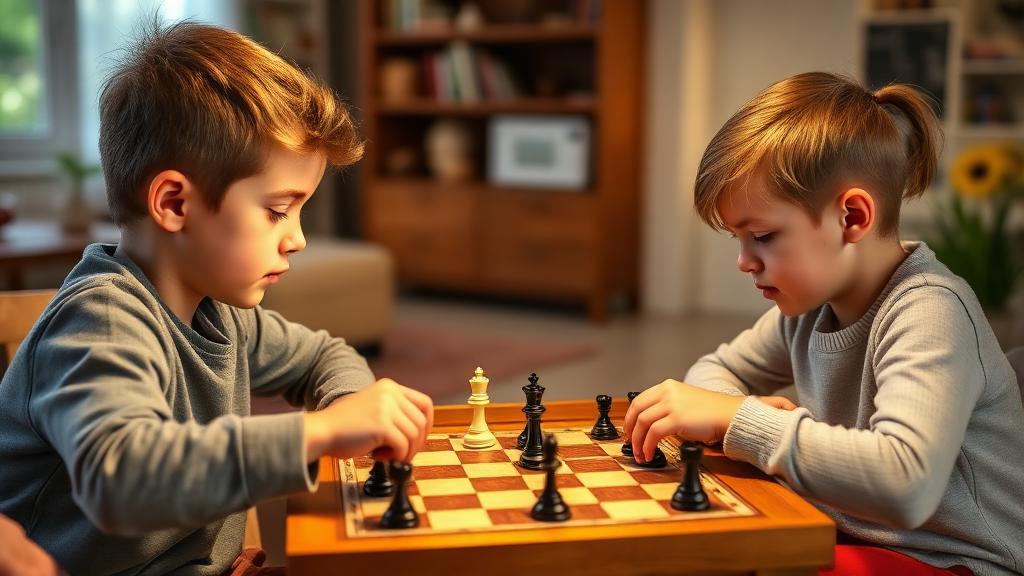
Sibling Relationship Benefits
Healthy Competition: - Structured, rule-governed competition - Clear win/loss outcomes (no ambiguity) - Both players have equal opportunity - Practice for handling competition constructively
Cooperation Opportunities: - Analyzing games together - Preparing for tournaments as a team - Teaching younger siblings - Celebrating each other's achievements
Communication Development: - Discussing games and ideas - Explaining concepts to each other - Working through conflicts - Sharing emotions around wins/losses
Parent-Child Connection
Benefits for Parents: - Meaningful engagement with children's activity - Window into children's thinking processes - Shared learning journey - Quality time without screens
For Non-Playing Parents: - Still supports by facilitating practice - Can learn basics to understand children's experience - Tournament involvement as supporter - Celebrating and documenting progress
For Playing Parents: - Direct play partners for children - Modeling learning and improvement - Shared goals and achievements - Deepening through shared expertise
Managing Different Skill Levels
The Age/Ability Gap Challenge
Common Scenario: Older sibling significantly stronger than younger, leading to frustration for both.
Why This Matters: - One-sided games aren't fun for either player - Younger child may become discouraged - Older child may lose interest - Competition becomes source of conflict
Strategies for Level Differences
Handicap Systems: - Material odds (remove pieces from stronger player) - Time odds (less time for stronger player) - Start from losing position - Play with specific constraints
Non-Competitive Play: - Puzzle-solving together - Analyze games cooperatively - Study positions as a team - Work toward shared goals
Appropriate Competition: - External tournaments provide level-matched opponents - Online play finds appropriate matchups - Reserve sibling games for fun, not serious competition - Celebrate improvement, not just victories
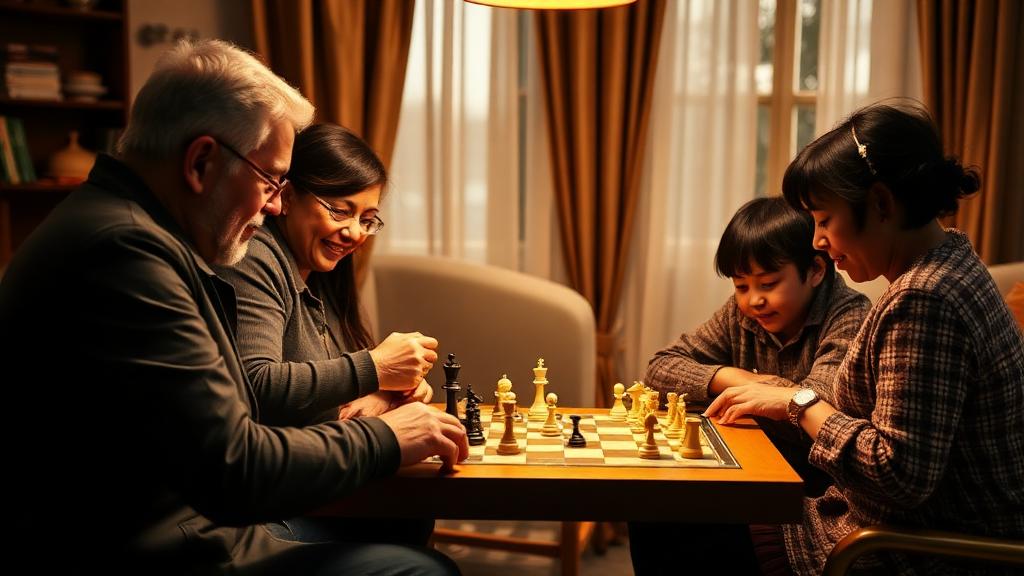
When Younger Catches Up
Managing Role Reversal: - Prepare older sibling for possibility - Celebrate younger sibling's growth - Both perspectives need validation - Reframe as "we're both getting stronger"
Creating Family Chess Culture
Family Chess Nights
Establishing Tradition: - Regular scheduled time (weekly works well) - Protected time without other activities - Consistent day/time builds habit - Participation from all interested family members
Format Options: - Round robin tournaments (everyone plays everyone) - Team games (parents vs. kids, or mixed teams) - Puzzle-solving competitions - Game analysis sessions - Combination of activities
Making It Special: - Special snacks or treats - Celebratory atmosphere - Recognition of achievements - Trophies or awards for family tournaments
Teaching Siblings to Help Each Other
Older Helping Younger: - Teaching reinforces learning - Develops patience and communication - Creates positive sibling dynamic - Younger child benefits from accessible instruction
Younger Helping Older: - Fresh perspectives sometimes help - Celebrating younger sibling's insights - Building mutual respect - Cooperation across age gap
Boundaries for Helping: - Don't help during competitive games - Help with learning, not homework answers - Respect each other's practice time - Support without condescension
Handling Sibling Rivalry in Chess
Prevention Strategies: - Separate practice from competition - Celebrate individual improvement, not comparison - Focus on personal goals - Equal investment in both children
When Conflict Arises: - Take breaks when emotions run high - Address underlying issues, not just chess - Establish ground rules for conduct - Sometimes separation is temporarily needed
Family Tournament Experiences
Benefits of Family Tournament Participation
Shared Experiences: - Travel and time together - Supporting each other - Shared stories and memories - Understanding each other's challenges
Individual Growth: - Each child has own experience - External validation outside family - Age-appropriate competition - Personal achievement opportunity
Managing Tournament Day
Preparation Together: - Pack together - Review expectations - Discuss support strategies - Set individual goals
During Tournament: - Space for individual competition - Available support between rounds - Managing wins and losses separately - Celebrating together at end
Post-Tournament: - Discuss experiences on way home - Analyze games together later - Process emotions as family - Plan future goals together
Teaching Chess in the Family
Parents as Primary Teachers
Advantages: - Ultimate schedule flexibility - Deep understanding of children - No additional cost - Shared learning journey
Challenges: - May lack chess expertise - Harder to maintain student-teacher dynamic - Children may resist parent as teacher - Time and energy demands
Recommendations: - Works well for basic levels - Professional help useful as children advance - Can supplement instruction with home practice - Let go of teacher role if it creates conflict
Professional Instruction for Families
Benefits of Shared Coaching: - Siblings learn together efficiently - Family discounts often available - Consistent curriculum for all children - External authority figure
When to Separate Instruction: - Large skill level differences - Conflicts during shared lessons - Different learning paces - Individual attention needs
Self-Teaching Together
Family Study Groups: - Watch instructional videos together - Work through books as a team - Solve puzzles collectively - Discuss concepts learned
Special Considerations
When One Child Is More Interested
The Challenge: Different enthusiasm levels can create conflict.
Strategies: - Respect individual interests - Don't force participation - Find other shared activities for less interested child - Allow flexibility in involvement level
When One Child Is Significantly Stronger
Natural Outcome: With different ages or aptitudes, skill gaps are normal.
Managing This: - Celebrate each child's individual journey - Never compare negatively - Find appropriate challenges for each - Focus on improvement, not relative standing
Preventing Burnout
Signs to Watch For: - Resistance to family chess time - Declining interest in previously enjoyed activity - Conflict around chess activities - Chess becoming negative association
Prevention and Recovery: - Maintain fun, not pressure - Take breaks when needed - Reduce intensity during difficult periods - Preserve positive associations
How Chessmates.in Supports Families
Our program welcomes family learning:
Sibling Programs: Coordinated instruction for multiple children Family Discounts: Making chess accessible for whole families Flexible Scheduling: Accommodating family calendars Progress Coordination: Keeping parents informed about all children Level-Appropriate Instruction: Each child at their own pace Tournament Guidance: Supporting family tournament participation
FAQs About Family Chess
1. At what ages can siblings play together productively? 5-6 is minimum for structured play; casual play possible earlier with patient older siblings.
2. How do I handle crying when younger sibling loses to older? Natural emotion; comfort without dismissing. Over time, build losing tolerance through experience.
3. Should siblings take lessons together? Works well at similar levels; consider separating when levels diverge significantly.
4. How much family chess time is too much? When it stops being fun or causes conflict. Watch for signs of resistance.
5. Can competitive siblings ever play each other peacefully? Yes, with structure, ground rules, and appropriate perspective. May need to limit competitive play between them.
Conclusion: Building Bonds Move by Move
Family chess creates connection that extends far beyond the 64 squares. The shared vocabulary, experiences, and challenges build relationships that grow alongside chess skills. Whether playing casually at home or competing at tournaments together, families find in chess a vehicle for lasting bonds.
At Chessmates.in, we believe chess belongs in families. Our programs support sibling learning, family engagement, and the development of healthy chess culture at home. We help families find the joy of shared learning while developing each child's individual potential.
Ready to start your family's chess journey? Book a trial lesson and discover how chess can bring your family together.