Hybrid Chess Learning: The Smart Choice Most Parents Overlook
By Lalit Akhade, Founder & Head Coach, ChessMates Academy · Published 2024-12-15 · 5 min read
Introduction: Combining the Best of Both Worlds
Hybrid chess learning represents the most comprehensive approach to chess education, strategically combining online instruction with in-person experiences. This integrated model captures the advantages of both delivery methods while minimizing their individual limitations, creating optimal conditions for young chess players to thrive.
As families increasingly recognize that neither purely online nor exclusively in-person chess education provides everything a developing player needs, hybrid approaches have emerged as the gold standard in youth chess development. This guide explores how to design and implement effective hybrid learning for your child.
Understanding Hybrid Chess Learning
What Makes Hybrid Learning Different
Hybrid chess learning isn't simply taking both online and offline classes randomly. It's a thoughtful integration where:
- Online and offline components complement each other rather than duplicating content
- Each delivery method serves its strengths — online for consistent instruction and flexibility, offline for social development and tournament preparation
- Transitions between environments are seamless with consistent curriculum and communication
- The combination creates synergy producing results better than either method alone
The Evolution Toward Hybrid Models
The chess education world has increasingly embraced hybrid approaches because:
- COVID-19 accelerated online adoption, demonstrating its effectiveness while highlighting what in-person uniquely provides
- Research confirmed both methods produce strong players when implemented well
- Family needs vary — flexibility matters while social experiences remain valuable
- Technology has matured — digital tools now genuinely enhance rather than merely substitute for instruction
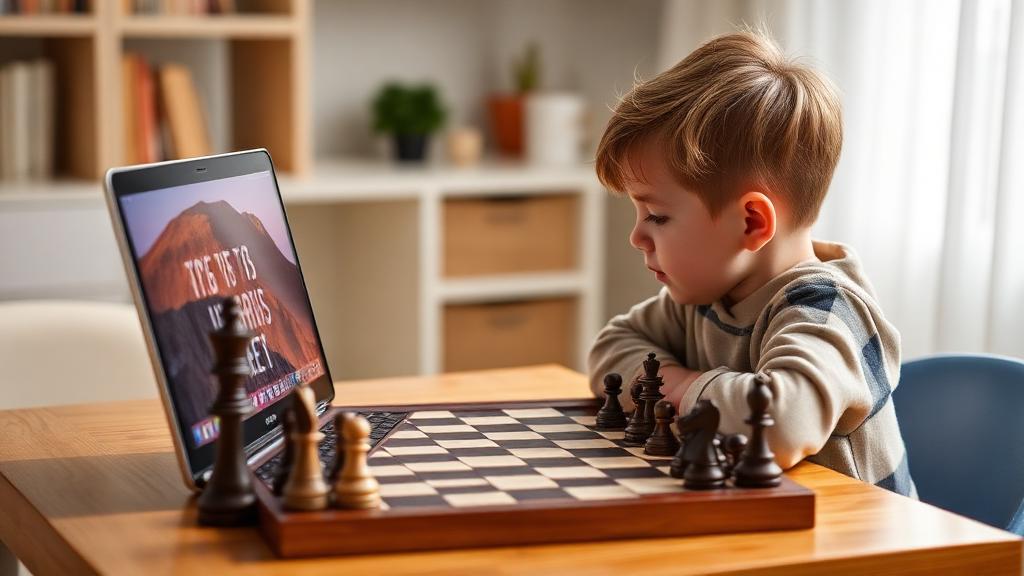
Benefits of Hybrid Chess Learning
Maximizing Instructional Quality
Access to Best Online Coaches: Regular lessons with highly qualified coaches regardless of local availability.
Local Community Connections: Participation in nearby clubs, schools, and events for peer interaction and practical experience.
Consistent Progress: Online scheduling flexibility ensures continuous learning without gaps.
Real-World Application: In-person play applies online instruction to over-the-board situations.
Developing Complete Players
Hybrid learning develops multiple dimensions simultaneously:
Technical Skills: Systematic instruction through online curriculum with digital tools enhancing concept understanding.
Practical Skills: Over-the-board experience building clock management, physical board vision, and tournament nerves management.
Social Skills: In-person peer relationships, sportsmanship practice, and community connections.
Psychological Resilience: Handling both online and physical competitive situations develops adaptable mental strength.
Flexibility Without Sacrifice
Hybrid models provide:
- Schedule adaptability through online primary instruction
- Social experiences through periodic in-person activities
- Geographic freedom — move anywhere while maintaining core coaching relationship
- Activity balance — chess integrates with other pursuits without requiring excessive time
Designing Your Child's Hybrid Chess Program
Foundational Online Component
Regular Lessons Establish consistent online instruction as the learning foundation: - Weekly lessons with qualified coaches - Structured curriculum progressing systematically - Practice assignments between lessons - Performance tracking and feedback
Daily Practice Integration Supplement lessons with daily online activities: - Tactical puzzles for pattern recognition - Game analysis for strategic understanding - Online rated games for practical application - Opening preparation for tournament readiness
Technology Utilization Leverage digital advantages: - Engine analysis for objective evaluation - Database exploration of master games - Recording and review of lesson content - Progress visualization and goal tracking
Complementary In-Person Component
Local Club Participation Even occasional club involvement provides valuable experience: - Playing with physical pieces and clocks - Social interaction with chess-loving peers - Exposure to different playing styles - Community belonging and friendship
Tournament Experience Periodic tournament participation is essential: - Application of learned skills under pressure - Official rating establishment - Championship pathway opportunities - Motivating competitive goals
Intensive Events Consider occasional immersive experiences: - Chess camps during school breaks - Weekend training intensives - Master simultaneous exhibitions - Team competitions and league play
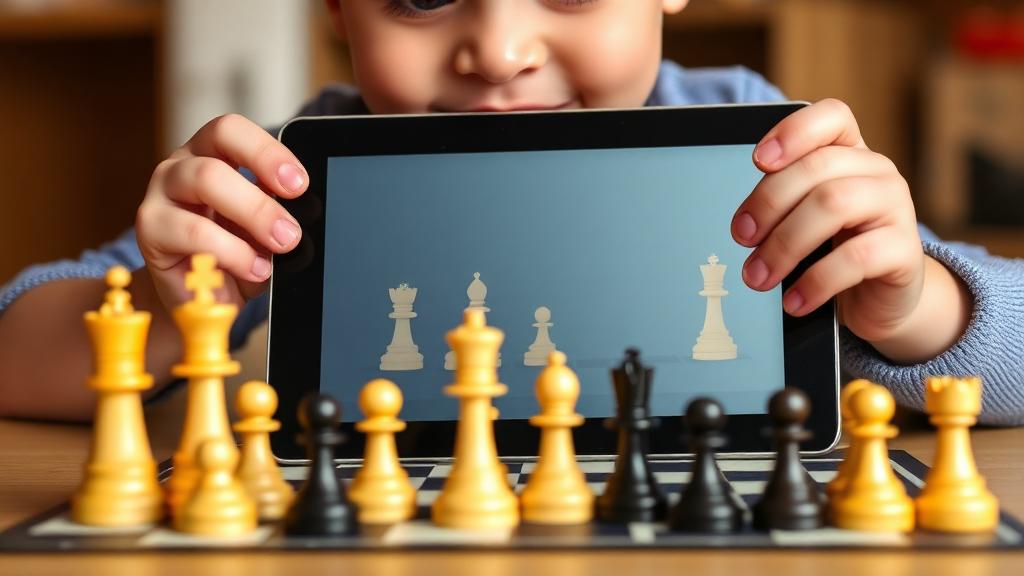
Implementing Hybrid Learning Effectively
Age-Appropriate Integration
Young Children (4-6 years) - Heavy emphasis on online instruction with parental presence - Limited, carefully supervised in-person activities - Focus on fun and engagement over competition - Gradual introduction to physical board play
Elementary Age (7-10 years) - Regular online lessons as core curriculum - Monthly or bi-weekly club attendance - 2-4 local tournaments per year - Summer camp consideration
Pre-Teen and Teen (11+ years) - Intensive online training with specialized coaches - Regular club play and team participation - Competitive tournament schedule as desired - Online and over-the-board rating development
Coordinating Components
Communication Between Coaches When working with both online and local coaches: - Ensure awareness of what each is teaching - Avoid conflicting or redundant instruction - Coordinate tournament preparation - Share progress observations
Unified Curriculum Approach Maintain coherence by: - Having online instruction lead skill development - Using in-person activities for application and practice - Keeping opening repertoire consistent - Aligning training goals across contexts
Schedule Balance Prevent burnout through thoughtful scheduling: - Protect rest and recovery time - Allow other activities and interests - Watch for signs of over-commitment - Adjust intensity based on motivation
Overcoming Hybrid Learning Challenges
Time Management
Hybrid learning requires more coordination. Manage effectively by: - Creating weekly schedules integrating all components - Building buffer time for transitions - Communicating with activity coordinators - Being willing to adjust when balance is off
Cost Considerations
Multiple learning components increase investment. Optimize by: - Focusing online spending on quality coaching - Choosing free or low-cost local club options - Being selective about tournaments (quality over quantity) - Considering seasonal rather than constant in-person commitment
Avoiding Contradictory Instruction
Different coaches may approach concepts differently. Navigate by: - Establishing primary coach relationship for core curriculum - Positioning local coaches as complementary rather than contradictory - Focusing on principles that transcend specific approaches - Discussing any confusion with primary coach
Maintaining Motivation
Multiple contexts can overwhelm or confuse. Keep motivation high by: - Connecting activities to meaningful goals - Celebrating progress in all areas - Allowing child input on activity preferences - Recognizing when adjustments are needed
Signs Hybrid Learning Is Working
Positive Indicators
- Consistent improvement in online ratings and puzzle performance
- Successful tournament results applying learned skills
- Genuine enjoyment of both online and in-person chess
- Social connections formed through club and tournament participation
- Increasing independence in managing chess activities
- Transferable skills evident in academics and other areas
Adjustment Signals
Consider modifications if: - One component dominates while another is neglected - Stress or burnout symptoms appear - Progress stalls despite effort - Motivation declines consistently - Conflicts arise between different learning contexts
How Chessmates.in Supports Hybrid Learning
Our approach embraces hybrid learning philosophy:
- Flexible online scheduling accommodating in-person activity schedules
- Tournament preparation modules specifically for over-the-board play
- Coach communication with families about complementary activities
- Progress tracking that accounts for multi-context development
- Community guidance for finding quality local opportunities
- Intensive options for families wanting periodic deep immersion
FAQs About Hybrid Chess Learning
1. How much of each type of learning should my child have? Typically 70-80% online instruction with 20-30% in-person activities works well, adjusted based on local opportunities and family priorities.
2. What if there are no local clubs near us? Online instruction can be supplemented with occasional tournament travel or summer camp attendance rather than regular local activities.
3. Will different coaches confuse my child? With proper coordination and clear primary coaching relationship, multiple perspectives actually enrich understanding.
4. Is hybrid learning more expensive? Not necessarily — online costs often lower than exclusive in-person instruction, and local activities can be free or low-cost.
5. How do I find quality local chess opportunities? Check with school chess clubs, community centers, libraries, and state chess associations for nearby options.
Conclusion: The Optimal Path to Chess Excellence
Hybrid chess learning offers families the most complete approach to developing young chess talent. By thoughtfully combining online instruction's flexibility and access with in-person experience's social richness and practical application, children receive comprehensive chess education serving all aspects of their development.
At Chessmates.in, our online platform is designed to serve as the foundation of effective hybrid programs. Our coaches understand the importance of in-person experiences and help families design integrated approaches that maximize their child's chess development.
Start your child's hybrid chess journey with our exceptional online instruction. Book a free trial lesson and discuss how our programs complement the local chess opportunities available to your family.