5 Online Chess Coaching Myths Parents Still Believe
By Lalit Akhade, Founder & Head Coach, ChessMates Academy · Published 2024-12-13 · 6 min read
Introduction: Separating Fact from Fiction
Online chess coaching has revolutionized how children learn chess, yet misconceptions persist. These myths prevent some families from accessing excellent chess education, while others approach online learning with unrealistic expectations. Understanding the truth behind common myths helps parents make informed decisions about their child's chess journey.
This comprehensive guide examines the most prevalent myths about online chess coaching, providing evidence-based perspectives that separate fact from fiction and help families embrace online chess education confidently.
Myth 1: Online Chess Coaching Is Inferior to In-Person Instruction
The Myth
Many believe that learning chess through a screen cannot match the quality of sitting across from a coach with a physical board between you.
The Reality
Research and real-world results demonstrate that online chess coaching, when delivered by qualified instructors using appropriate tools, produces outcomes equal to or often exceeding in-person instruction.
Evidence Supporting Online Effectiveness: - Multiple titled players trained primarily or exclusively online - Studies showing comparable improvement rates between delivery methods - Access to better coaches often compensates for any delivery limitations - Digital tools provide analysis capabilities impossible in person
Key Factors That Matter: Quality of instruction matters far more than delivery method. A world-class coach online provides better education than an average coach in person. The coach-student relationship, curriculum quality, and practice consistency determine results — not whether participants share physical space.

Myth 2: Children Cannot Focus During Online Lessons
The Myth
Screen learning inherently promotes distraction, making sustained focus impossible for young chess learners.
The Reality
While screen-based distraction is a valid concern, well-structured online chess lessons actively combat this through:
Interactive Engagement: - Constant participation through move-making and puzzle-solving - Immediate feedback loops maintaining attention - Gamified elements creating sustained interest - Varied activities preventing boredom
Coach Techniques: Experienced online coaches employ specific strategies: - Shorter concept segments with immediate practice - Frequent name usage and direct questions - Visual demonstrations holding attention - Age-appropriate pacing and content
Controlled Environment: Home settings can actually reduce distractions compared to group classrooms: - No peer disruptions or social dynamics - Customized physical environment - Parental support when needed - Familiar, comfortable surroundings
Myth 3: Online Coaching Cannot Develop Social Skills
The Myth
Chess education should include social development, and online learning cannot provide peer interaction necessary for healthy development.
The Reality
While online interaction differs from in-person socialization, it provides meaningful social development:
Group Class Dynamics: - Collaborative problem-solving with peers - Discussion and debate about positions - Friendly competition and camaraderie - Global friendships crossing cultural boundaries
Coach Relationships: Online coaching builds meaningful mentor relationships with caring adults outside family contexts.
Complementary Approach: Most families supplement online instruction with occasional in-person activities — club visits, tournaments, or camps — providing balanced social experiences.
Digital Social Skills: Learning to interact appropriately online develops skills increasingly important in modern life.
Myth 4: Only Advanced Players Benefit from Online Coaching
The Myth
Beginners need hands-on instruction with physical pieces, making online learning appropriate only for advanced students who already know fundamentals.
The Reality
Online coaching serves all levels effectively:
Beginners Thrive Online: - Visual demonstrations clearly show piece movement - Interactive boards reinforce learning through doing - Individual attention addresses specific confusion - Self-paced practice builds solid foundations
Special Beginner Advantages: - No intimidation from more advanced peers in class - Comfortable home environment reduces learning anxiety - Parent participation supports early development - Progress tracking identifies and addresses gaps quickly
Research Findings: Studies specifically examining beginner online chess instruction found comparable or superior outcomes to in-person classes.
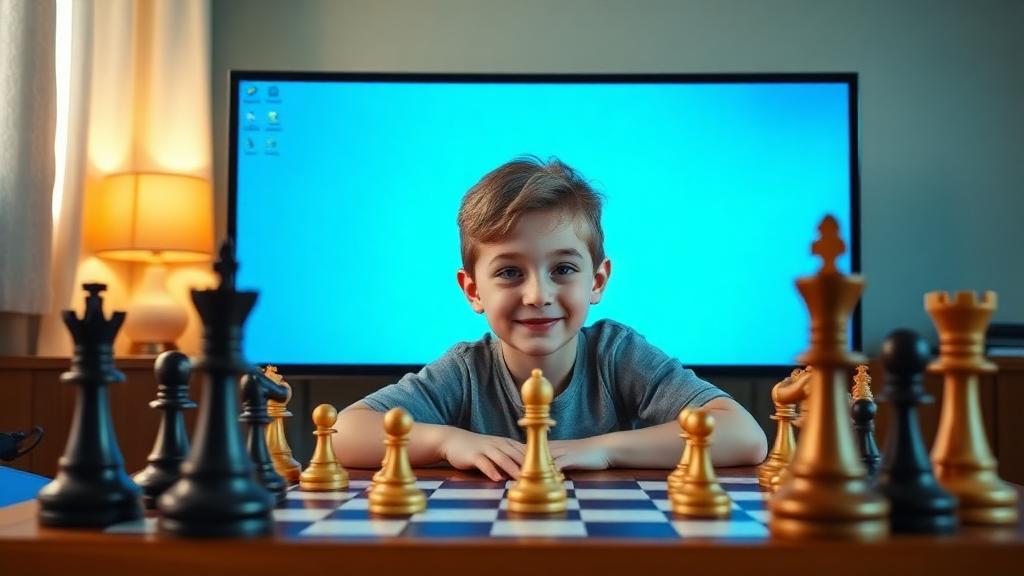
Myth 5: Parents Cannot Monitor What Happens in Online Lessons
The Myth
Once your child is in an online lesson, you have no visibility into what's occurring.
The Reality
Online lessons often provide more parental visibility than in-person classes:
Observation Opportunities: - Watch lessons in real-time from nearby - Review recorded sessions afterward - Access lesson plans and curriculum - Receive progress reports and coach communications
Communication Channels: Quality platforms facilitate parent-coach communication that in-person settings often lack.
Transparency Benefits: Understanding exactly what your child learns enables better practice support and faster issue identification.
Myth 6: Online Coaching Is Impersonal
The Myth
Screen-mediated instruction cannot create the personal connection that makes teaching effective.
The Reality
Strong coach-student relationships form regularly online:
Connection Building: - One-on-one attention often exceeds group class interaction - Consistent coach relationships develop over time - Personal investment in student success transcends delivery method - Communication tools enable ongoing relationship outside lessons
Student Perspectives: Children frequently report strong attachment to their online coaches, looking forward to lessons and valuing the relationship.
Myth 7: Technology Problems Make Online Learning Frustrating
The Myth
Technical difficulties constantly interrupt lessons, making online learning more frustrating than worthwhile.
The Reality
While technology issues can occur, they're increasingly rare and manageable:
Improved Infrastructure: - Better internet connectivity globally - More reliable platforms and tools - Easier troubleshooting resources - Backup options when problems arise
Platform Maturity: Modern chess education platforms are designed for stability and ease of use.
Quick Resolution: Most technical issues resolve quickly, and quality platforms handle connectivity problems gracefully.
Myth 8: Online Chess Cannot Prepare for Over-the-Board Tournaments
The Myth
Training on digital boards doesn't translate to physical tournament performance.
The Reality
Online-trained players compete successfully in over-the-board events:
Skill Transfer: Chess understanding transfers between formats. Pattern recognition, calculation ability, and strategic knowledge apply regardless of board type.
Adaptation Period: Brief adjustment to physical boards is normal and quickly overcome with minimal practice.
Hybrid Approaches: Many families supplement online training with physical board practice at home, eliminating any transfer concerns.
Success Examples: Numerous tournament champions train primarily online, demonstrating effective skill transfer.
Myth 9: Online Coaching Is Only Suitable for Introverted Children
The Myth
Outgoing, social children need in-person instruction; only shy children benefit from online learning.
The Reality
Children across personality spectrums thrive in online chess education:
Extroverted Benefits: - Group online classes provide peer interaction - Tournament opportunities satisfy competitive drives - Coach relationships offer meaningful connection - Hybrid approaches include social components
Universal Advantages: The core benefits of online coaching — access, flexibility, technology tools — serve all personality types.
Myth 10: Serious Chess Development Requires In-Person Training
The Myth
To become truly strong, a player must eventually transition from online to in-person coaching.
The Reality
The highest levels of chess can be reached through online training:
Professional Examples: Several recently titled players trained predominantly online throughout their development.
Modern Chess Reality: Even top grandmasters increasingly use online tools and coaching in their preparation.
What Matters: Dedication, quality instruction, and consistent practice determine chess achievement — not delivery method.
Understanding What Actually Matters
Beyond debunking myths, understanding what genuinely affects online chess coaching quality helps parents make good decisions:
Critical Success Factors: - Coach quality: Experience, credentials, and teaching skill matter most - Curriculum structure: Systematic progression through appropriate content - Practice consistency: Regular reinforcement of learned concepts - Student engagement: Interest and motivation sustained over time - Parent support: Encouragement and appropriate involvement
How to Evaluate Online Programs: - Research coach qualifications and reviews - Examine curriculum scope and progression - Understand practice tools and resources provided - Consider scheduling flexibility and support options - Ask about trial opportunities to assess fit
How Chessmates.in Addresses Common Concerns
We've designed our platform to overcome the legitimate concerns behind these myths:
- Quality-focused coach selection ensuring excellent instruction
- Engaging lesson design maintaining young learner focus
- Group class options for peer interaction and social development
- Comprehensive parent communication providing full visibility
- Reliable technology platform minimizing disruptions
- Proven track record of student success in both online and over-the-board play
FAQs About Online Chess Coaching Myths
1. My child is very young. Isn't in-person better for young children? Age-appropriate online instruction works well for children as young as 4-5, especially with parental support.
2. What about the physical experience of moving pieces? Supplement online lessons with physical board practice at home for tactile learning.
3. How do I know online coaching is working? Track progress through ratings, puzzle performance, and game quality improvement visible in platform analytics.
4. Won't my child miss the tournament atmosphere if training only online? Periodic tournament participation complements online training effectively.
5. Are there any children for whom online coaching genuinely doesn't work? Some children with specific learning differences may benefit from in-person adaptations, but most thrive online with appropriate support.
Conclusion: Make Decisions Based on Facts
Myths about online chess coaching persist despite overwhelming evidence of its effectiveness. Understanding the reality behind these misconceptions empowers families to make educational decisions based on facts rather than unfounded concerns.
Online chess coaching offers transformative educational opportunities — access to world-class instruction, flexibility for busy families, powerful learning tools, and proven results. Don't let myths prevent your child from experiencing these benefits.
At Chessmates.in, we're committed to demonstrating the reality of excellent online chess education. Our qualified coaches, engaging curriculum, and supportive community create learning environments where children of all ages and levels thrive.
Book a free trial lesson and experience the truth about online chess coaching firsthand. Discover why families worldwide choose online instruction for their children's chess education.