Online vs Offline Chess Classes: The Truth Parents Need to Hear
By Lalit Akhade, Founder & Head Coach, ChessMates Academy · Published 2024-12-21 · 7 min read
Introduction: The Great Chess Learning Debate
The question of whether online or offline chess classes are better for children has become one of the most debated topics among parents seeking chess education for their kids. As technology transforms every aspect of learning, chess education stands at an interesting crossroads where traditional in-person instruction meets innovative digital platforms.
Both methods offer distinct advantages, and understanding these differences helps parents make informed decisions aligned with their child's learning style, family schedule, and educational goals. This comprehensive comparison examines every aspect of online versus offline chess instruction to help you choose the best path for your young chess player.
Understanding Traditional In-Person Chess Classes
The Classroom Experience
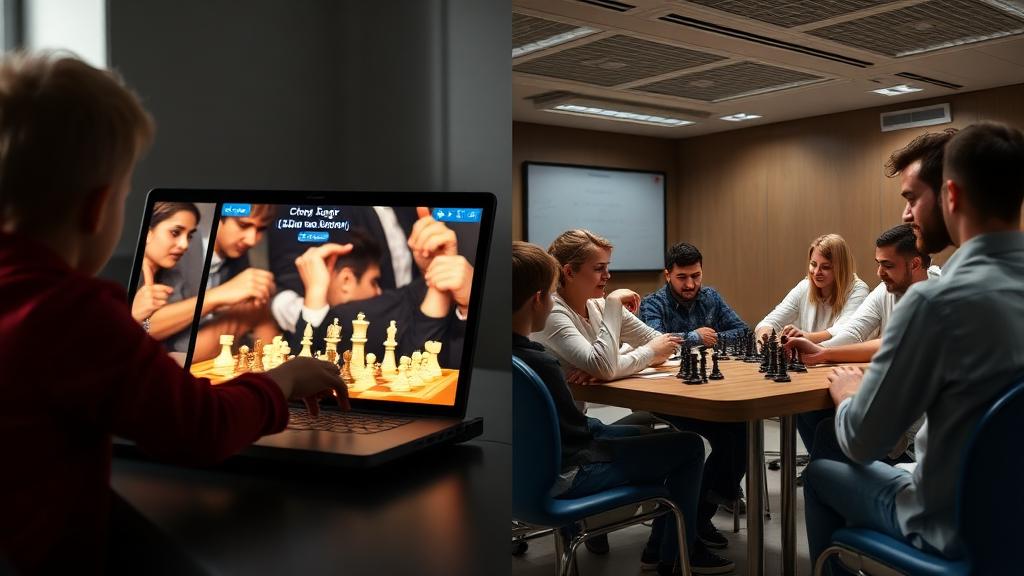
Traditional chess classes typically occur in schools, chess clubs, community centers, or dedicated chess academies. Students gather in a physical space with a coach who demonstrates concepts on a demonstration board while students follow along on their individual boards.
This format has served chess education for decades, creating many of the world's greatest players. The physical environment provides unique benefits that some families find irreplaceable.
Advantages of In-Person Chess Classes
Physical Board Experience: Learning with actual chess pieces provides tactile feedback that reinforces spatial understanding. Children physically move pieces, feeling the weight and texture, which some educators believe creates stronger neural connections.
Social Development: In-person classes naturally foster friendships among chess-loving peers. Children learn to shake hands before and after games, manage emotions in front of others, and develop sportsmanship through direct interaction.
Immediate Presence: A coach can observe body language, notice when a child is confused or frustrated, and provide immediate intervention. This physical presence creates accountability and keeps children engaged.
Group Energy: The collective focus of a classroom, the excitement when someone finds a brilliant move, and the friendly competition with peers present creates motivating energy.
Tournament Preparation: Regular practice in physical settings prepares children for the over-the-board tournament experience where they'll face opponents directly.
Limitations of Traditional Classes
Geographic Restrictions: Families must live near a chess academy or club, limiting options for those in remote areas or regions without established chess infrastructure.
Fixed Schedules: Classes occur at set times, requiring families to organize transportation and potentially conflict with other activities or family schedules.
Variable Quality: The quality of in-person instruction depends entirely on locally available coaches. Not all areas have access to highly qualified instructors.
Higher Costs: Physical facility rental, smaller class sizes, and coach travel time typically result in higher tuition fees.
Time Investment: Commuting to and from classes adds significant time investment beyond the actual instruction period.
Understanding Online Chess Education
The Digital Learning Environment
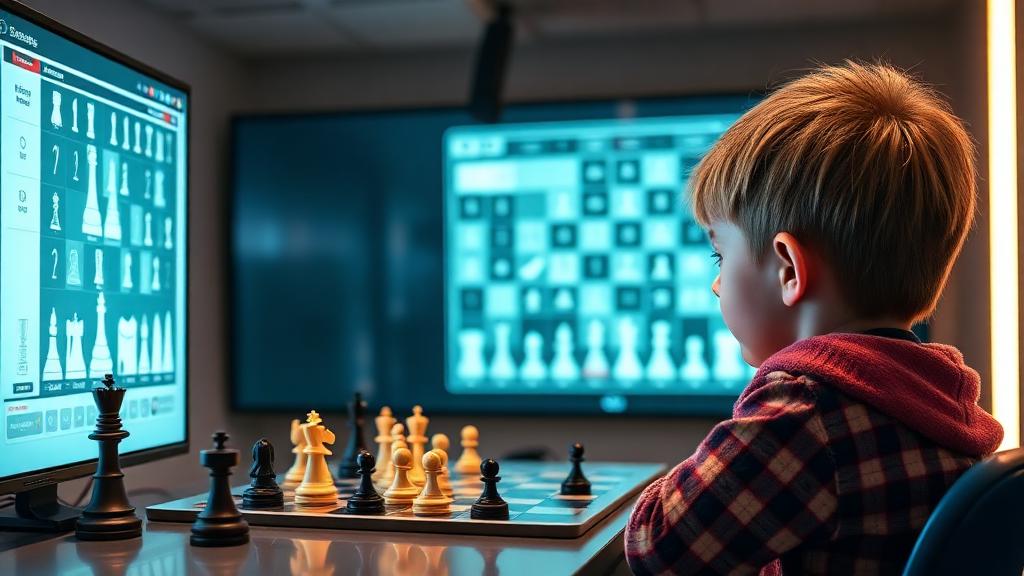
Online chess education has evolved dramatically, offering sophisticated platforms with live instruction, interactive tools, and global communities. Modern online classes utilize video conferencing, shared digital boards, puzzle trainers, and game analysis engines.
Advantages of Online Chess Classes
Access to World-Class Instruction: Geography no longer limits who teaches your child. Families can access titled players, internationally certified coaches, and specialized instructors regardless of location.
Flexible Scheduling: Online platforms often offer more time options, including early morning, evening, and weekend sessions that accommodate busy family schedules.
Learning Environment Control: Children learn in familiar home environments without classroom distractions, social pressures, or commute-related stress.
Cost Efficiency: Without facility costs and with larger potential class sizes, online classes often cost less while maintaining quality instruction.
Time Savings: Eliminating commute time gives families back hours weekly that can be used for practice, other activities, or family time.
Technology Integration: Digital tools provide instant feedback, unlimited practice puzzles, game recording for later review, and AI analysis that identifies improvement areas.
Parental Visibility: Parents can observe lessons discretely, understanding what their child learns and how they interact with instruction.
Limitations of Online Chess Classes
Screen Time Concerns: Parents already managing screen time may worry about adding more digital hours.
Physical Board Disconnect: Some children benefit from tactile learning with physical pieces that online platforms cannot replicate.
Social Limitations: While online platforms include chat and video features, the social experience differs from in-person peer interaction.
Technical Requirements: Reliable internet, appropriate devices, and basic technical familiarity are prerequisites.
Self-Discipline Needs: Children must develop focus without the external accountability of a physical classroom presence.
Comparing Learning Outcomes
Academic and Cognitive Development
Research on chess education consistently shows cognitive benefits regardless of delivery method. Both online and offline chess instruction improve:
- Critical thinking and problem-solving
- Memory and concentration
- Mathematical reasoning
- Spatial visualization
- Decision-making under pressure
The key factor affecting outcomes is not the delivery method but the quality of instruction, practice consistency, and student engagement.
Skill Development Comparison
Studies comparing online versus in-person chess instruction found:
- Similar improvement rates in tactical ability and game performance
- Comparable retention of concepts and strategies
- Equal tournament success when preparation quality matched
This suggests that dedicated students can achieve excellence through either path when instruction quality remains high.
Social and Emotional Development
In-Person Advantages: Natural peer socialization, handling wins and losses in front of others, developing sportsmanship through direct interaction.
Online Advantages: Reduced social anxiety for shy children, global friendships, exposure to diverse perspectives and playing styles.
Both environments offer social development opportunities, though the nature of that development differs.
Factors to Consider When Choosing
Your Child's Learning Style
Visual Learners: May benefit from digital tools that highlight key squares and demonstrate patterns.
Kinesthetic Learners: May prefer physical board interaction that in-person classes provide.
Auditory Learners: Can succeed with either method when instruction includes clear verbal explanation.
Social Learners: May thrive in group classroom environments with peer interaction.
Independent Learners: Often excel with online platforms that allow self-paced progress.
Family Logistics
Geographic Location: Urban families have more in-person options; rural families may find online access transformative.
Schedule Constraints: Busy families with multiple activities may find online flexibility essential.
Transportation Availability: Families without reliable transportation may find online classes the only viable option.
Multiple Children: Coordinating schedules for several children often proves easier online.
Budget Considerations
In-Person Costs: Typically higher due to facility rental, smaller class sizes, and geographic limitations.
Online Costs: Generally lower, with more pricing options including group packages and subscription models.
Hidden Costs: Consider transportation, time, and opportunity costs for in-person; technology requirements for online.
The Hybrid Approach: Best of Both Worlds
Many families find optimal results combining both methods:
Primary Online Instruction: Regular lessons and practice online for efficiency and access to quality coaches.
Supplementary In-Person Activities: Local club play, tournaments, and occasional intensive camps for social development and over-the-board experience.
This hybrid model leverages online efficiency while maintaining valuable in-person experiences.
Making the Right Choice for Your Family
Questions to Ask Yourself
- What chess resources exist within reasonable distance from home?
- How important is in-person socialization for my child?
- What is our family's schedule flexibility?
- How comfortable is my child with technology?
- What is our budget for chess education?
- Does my child need the external accountability of physical presence?
- Are there specific coaches or programs we want to access?
Trial Periods
Most quality programs offer trial classes. Take advantage of these to observe how your child responds to each environment before committing long-term.
Flexibility to Adjust
Remember that your choice isn't permanent. Many families start with one method and transition as circumstances change or as they better understand their child's preferences.
Quality Indicators Regardless of Format
Whether choosing online or offline instruction, look for:
- Qualified, experienced coaches with credentials and positive reviews
- Structured curriculum progressing logically through skill levels
- Interactive engagement keeping children active in their learning
- Practice resources extending learning beyond class time
- Progress tracking showing improvement over time
- Positive learning environment that encourages rather than discourages
Why Chessmates.in Offers Both Options
Understanding that families have different needs, Chessmates.in provides:
- Premium online classes with certified international coaches
- Guidance for in-person supplementation through local clubs and tournaments
- Hybrid programs combining regular online instruction with optional offline events
- Flexible scheduling accommodating various time zones and family needs
- Quality assurance regardless of delivery method
FAQs About Online vs Offline Chess Classes
1. Can my child become a strong player with only online classes? Absolutely. Many titled players trained primarily online, demonstrating that quality instruction matters more than delivery method.
2. Won't my child miss the social aspect of in-person classes? Online classes include peer interaction, and supplementary local club participation can provide additional socialization.
3. Is online chess suitable for very young children? Children as young as 4-5 can thrive in online classes with appropriate structure and parental support.
4. How do online tournaments compare to in-person events? Both offer competitive experience; many players participate in both throughout their development.
5. Can I switch between methods if one isn't working? Yes — flexibility in approach is encouraged as you discover what works best for your child.
Conclusion: There's No Wrong Choice
The debate between online and offline chess education often creates unnecessary anxiety for parents. The truth is both methods can produce excellent chess players and deliver the cognitive, social, and emotional benefits chess provides.
The best choice depends on your family's specific circumstances, your child's learning preferences, and the quality of available options. What matters most is consistent, quality instruction with a passionate, qualified coach who engages your child's interest.
At Chessmates.in, we're committed to providing exceptional chess education through whatever format serves your family best. Our online platform delivers world-class instruction while supporting families who want to incorporate in-person elements.
Begin your child's chess journey with a free trial lesson and discover why thousands of families trust us with their children's chess education — online, offline, or both.