What Chess Does to a Child's Brain — Psychologists Explain
By Lalit Akhade, Founder & Head Coach, ChessMates Academy · Published 2025-01-07 · 8 min read
Introduction: The Secret Connection Between Chess and Child Development
Chess is often seen as a game of intellect, strategy, and competition. But beneath the surface lies something far more powerful: the psychological engine that shapes how children think, feel, behave, and grow.
For decades, psychologists, neuroscientists, and child development experts have studied chess because it uniquely strengthens the mind in ways few other activities can. From improving memory to enhancing emotional intelligence, chess influences multiple areas of development at once.
In today's fast-paced, distraction-filled world, chess provides children with a structured, enriching environment where focus, patience, discipline, and creativity thrive.
Platforms like Chessmates.in have made it easier than ever for children to access high-quality chess education that supports psychological growth in a fun, interactive way.
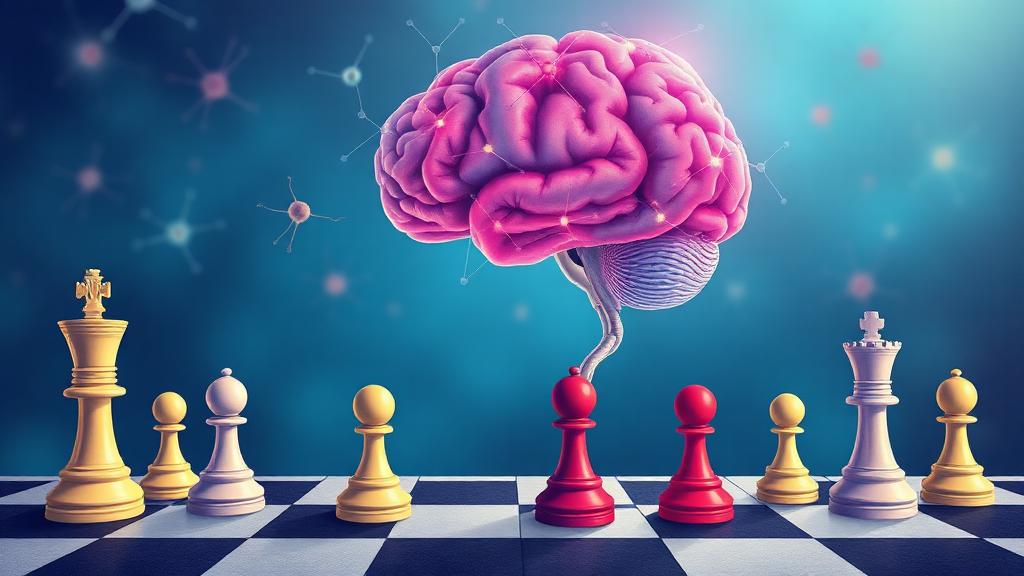
The Psychological Foundation of Chess Learning
Chess is a deeply cognitive activity rooted in problem-solving, pattern recognition, and strategic planning.
How the Brain Responds to Chess
When a child plays chess, their brain activates:
- The prefrontal cortex (planning, decision-making)
- The hippocampus (memory)
- The amygdala (emotional regulation)
- The parietal lobes (spatial reasoning)
This combination creates a complete mental workout.
Cognitive Load and Controlled Thinking
Chess teaches children to balance:
- Multiple ideas at once
- Immediate threats
- Long-term plans
- Emotional responses
This develops controlled thinking, a key psychological skill for school success and personal growth.
1. Chess and Cognitive Development
Chess nurtures multiple aspects of cognitive psychology.
Strengthening Executive Function
Executive function includes:
- Planning
- Focus
- Time management
- Self-control
Chess requires children to evaluate moves, anticipate outcomes, and plan strategies — directly strengthening executive function.
Enhancing Working Memory
Working memory is the brain's ability to hold and manipulate information. In chess, children must remember:
- Opponent's moves
- Threats and patterns
- Long-term strategies
This improves their general learning ability in school.
2. Chess and Problem-Solving Ability
Chess transforms children into excellent problem-solvers.
Logical Thinking Pathways
Chess teaches kids to:
- Break problems into steps
- Evaluate different possibilities
- Compare risks and rewards
Psychologists call this logical sequencing, a fundamental problem-solving process.
Pattern Recognition and Prediction
Chess helps children identify:
- Tactical patterns
- Common traps
- Strategic structures
Pattern recognition improves mathematical and scientific reasoning.
3. Chess and Emotional Intelligence (EQ)
EQ determines how children understand and manage emotions.
Learning to Regulate Emotions
Chess players learn:
- Patience
- Calmness
- Self-control
Emotional regulation is strongly linked to reduced behavioral issues and better academic performance.
Handling Loss and Failure
Chess teaches kids that:
- Losing is normal
- Mistakes help them grow
- Improvement comes with practice
This builds resilience and reduces perfectionism.
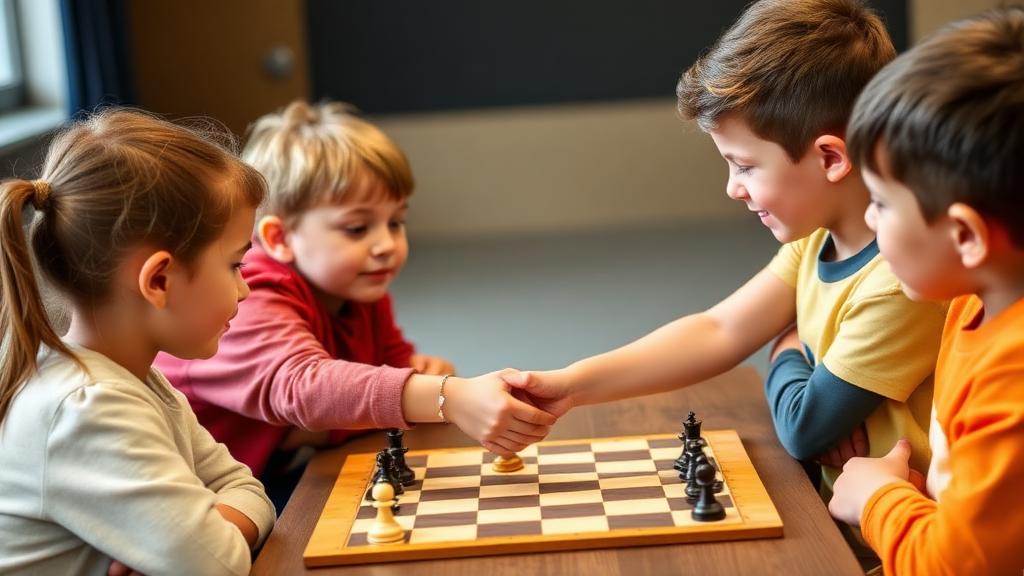
4. Chess and Concentration Psychology
Chess is one of the best activities for improving attention span.
Neuropsychology of Attention
Chess activates parts of the brain responsible for:
- Sustained attention
- Selective focus
- Cognitive endurance
Children learn to keep their minds still while analyzing challenges.
Deep Focus and Immersive Engagement
Chess creates a flow state — a psychological condition where children are:
- Fully immersed
- Relaxed
- Deeply focused
This state enhances mental clarity and reduces stress.
5. Chess and Behavioural Development
Chess influences how children behave, respond, and express themselves.
Impulse Control and Patience
Children begin thinking:
- Before reacting
- Before speaking
- Before moving a piece
This improves behavior at school and home.
Discipline and Responsibility
Chess teaches that:
- Actions have consequences
- Every move matters
- Responsibility leads to better outcomes
These lessons transfer into academic discipline.
6. Chess and Creativity Development
Contrary to belief, chess is highly creative.
Divergent Thinking
Divergent thinking involves generating:
- Multiple solutions
- Innovative ideas
- Unique strategies
Chess encourages children to find creative pathways to solve challenges.
Imagination and Visualization
Kids visualize:
- Future moves
- Potential attacks
- Entire game plans
Visualization enhances creativity, storytelling, and artistic expression.
7. Chess and Social Development
Chess helps children grow socially and emotionally.
Building Social Confidence
Chessmates.in classes and tournaments help kids:
- Meet peers
- Build friendships
- Develop communication skills
Children feel more confident interacting with others.
Communication Through Structured Play
Chess teaches:
- Turn-taking
- Respect
- Sportsmanship
These social skills are essential for healthy peer relationships.
8. Chess and Stress Reduction Psychology
Mindfulness Through Focus
Mindfulness means being fully present. Chess creates:
- Calm breathing
- Slow thinking
- Present-moment focus
This reduces anxiety and emotional overload.
Calmness and Emotional Stability
Regular chess practice:
- Lowers stress hormones
- Builds emotional strength
- Promotes mental peace
Children experience greater emotional stability.
9. Chess and Decision-Making Skills
Decision-making is a core part of child psychology.
Evaluating Consequences
Chess teaches kids to:
- Predict outcomes
- Choose safe alternatives
- Calculate risks
This strengthens decision-making in school and daily life.
Strategic Planning Under Pressure
Pressure situations help build:
- Confidence
- Clarity
- Fast thinking
Children become better at handling stress with logic instead of fear.
10. Chess and Academic Success Psychology
Chess builds psychological traits that support academic achievement.
Learning Transfer to School Subjects
Chess improves abilities in:
- Math
- Science
- Reading comprehension
- Writing
- Logical analysis
These improvements occur because chess strengthens the brain systems needed for academic learning.
Motivation and Goal Orientation
Chess develops:
- Achievement motivation
- Long-term planning
- Persistence
These traits are essential for academic excellence.
The Role of Neuroscience in Chess Development
Brain imaging studies show that children who play chess develop:
- Stronger neural connections
- High processing speed
- Improved reasoning
- Better memory circuits
Chess increases brain plasticity — the brain's ability to grow and adapt.
What Psychologists Say About Chess for Kids
Psychologists worldwide recommend chess because it:
- Strengthens emotional control
- Improves resilience
- Enhances cognitive development
- Supports behavioral stability
- Encourages social skills
It's one of the few activities that benefits all areas of child growth.
Real-Life Transformations Through Chessmates.in
Parents across India report remarkable improvements:
- Greater focus during schoolwork
- Reduced anxiety and frustration
- Better emotional responses
- Improved academic performance
- Increased confidence and social comfort
Many children become calmer, clearer thinkers after joining Chessmates.in.
How Chessmates.in Supports Holistic Child Development
Chessmates.in is built on psychological principles:
- Age-appropriate learning
- Patient, child-friendly coaches
- Focus on emotional development
- Positive reinforcement
- Safe online environment
- Structured, progressive curriculum
It's not just chess teaching — it's child development through chess.
FAQs
1. How does chess improve a child's psychology? It strengthens memory, focus, emotional regulation, and cognitive skills.
2. Does chess help with emotional development? Yes. It builds patience, resilience, and calm thinking.
3. Can chess help children with behavioural issues? Absolutely. Chess improves impulse control and discipline.
4. Is chess suitable for introverted children? Yes — it builds social confidence in a low-pressure environment.
5. How often should children play chess for psychological benefits? 3–4 sessions per week show strong improvements.
Conclusion: Chess as a Complete Psychological Development Tool
Chess is much more than a board game — it is a psychological powerhouse that shapes how children think, behave, feel, and grow. From cognitive skills to emotional intelligence, from creativity to discipline, chess develops every dimension of childhood growth.
Through structured programs at Chessmates.in, children receive not only chess training but also life training, helping them grow into confident, thoughtful, and resilient human beings.
If you want to support your child's complete mental and emotional development, chess is one of the most effective and scientifically supported tools available.