Chess Homework: The Secret Behind Fast Improvement
By Lalit Akhade, Founder & Head Coach, ChessMates Academy · Published 2024-11-25 · 5 min read
Introduction: The Essential Role of Homework in Chess Learning
In chess education, homework bridges the gap between lessons and mastery. While live instruction introduces concepts and guided practice develops initial understanding, it's the independent work between lessons — homework — that transforms knowledge into deeply integrated skill.
This comprehensive guide explores why homework matters in chess education, what effective chess homework looks like, and how parents can support their children's practice without creating homework battles or unnecessary pressure.
Why Homework Matters in Chess
The Forgetting Curve Challenge
Research on learning shows that without reinforcement, we forget most new information within days. This "forgetting curve" is steep initially but flattens with repeated exposure.
Homework's Role in Retention: - Reinforces concepts before they fade - Moves knowledge from short-term to long-term memory - Creates spaced repetition (proven optimal for retention) - Builds on lesson content at child's own pace
Without homework, students effectively restart each lesson from a weakened foundation, limiting cumulative progress.
Developing Independent Learning Skills
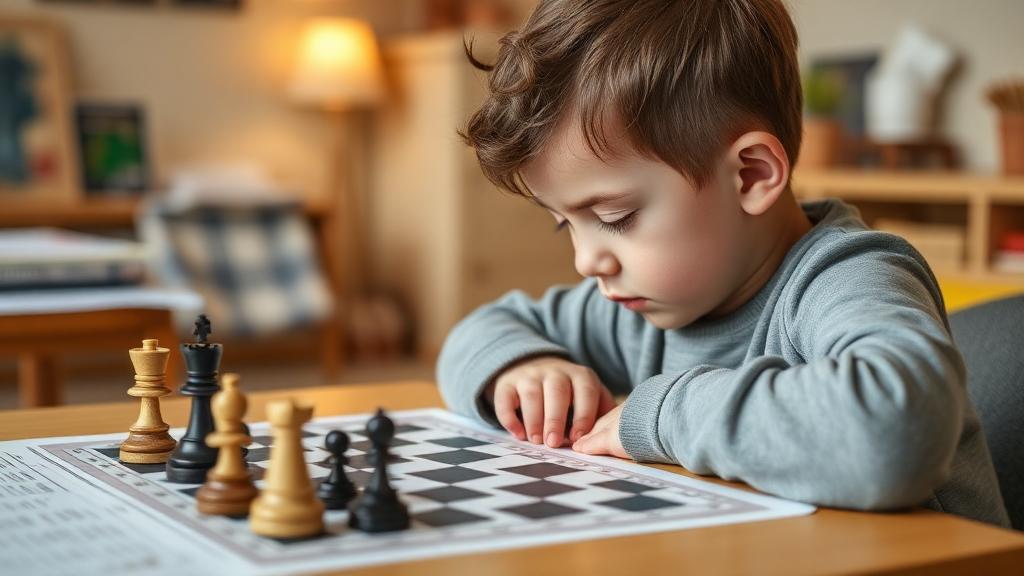
Chess ultimately requires independent thinking — no one can help you during a game. Homework develops this independence:
Skills Built Through Homework: - Self-directed problem-solving - Time management and discipline - Ability to work through frustration - Self-assessment of understanding - Preparation for competitive play
Deepening Understanding
Lesson time is limited; homework provides extended engagement with material:
How Homework Deepens Learning: - Multiple exposures to concepts from different angles - Time to struggle productively with challenging material - Opportunity to apply concepts in varied contexts - Space for questions to emerge for next lesson
Types of Effective Chess Homework
Tactical Puzzles
The most common and valuable homework — solving tactical puzzles reinforces pattern recognition and calculation skills.
Effective Puzzle Homework: - Appropriate difficulty (75-85% success rate target) - Focused on themes covered in lessons - Quantity manageable for attention span - Mix of timed and untimed solving
Age-Appropriate Quantities: - Ages 5-7: 5-10 puzzles between lessons - Ages 8-10: 10-20 puzzles between lessons - Ages 11+: 20-40 puzzles between lessons
Game Analysis
Reviewing your own games is one of the most powerful learning activities, making it excellent homework.
Analysis Homework Approaches: - Analyze one critical position deeply - Find your worst move in a game and explain why - Identify the moment the game's outcome was decided - Compare your analysis to engine recommendations
Parent Role in Analysis Homework: - Ensure child does own analysis before using computer - Encourage writing down observations - Support discussing analysis at next lesson
Opening Study
Between lessons, students can reinforce opening knowledge through structured review.
Opening Homework Types: - Review learned opening moves and understand their purposes - Play practice games in assigned openings - Study 2-3 model games in the opening being learned - Memorize key variations for upcoming practice
Endgame Practice
Endgame technique requires repetition that homework provides effectively.
Endgame Homework Examples: - Practice basic checkmates (K+Q, K+R) against computer - Solve endgame studies at appropriate level - Review and memorize key endgame positions - Practice specific techniques covered in lessons
Lesson Review
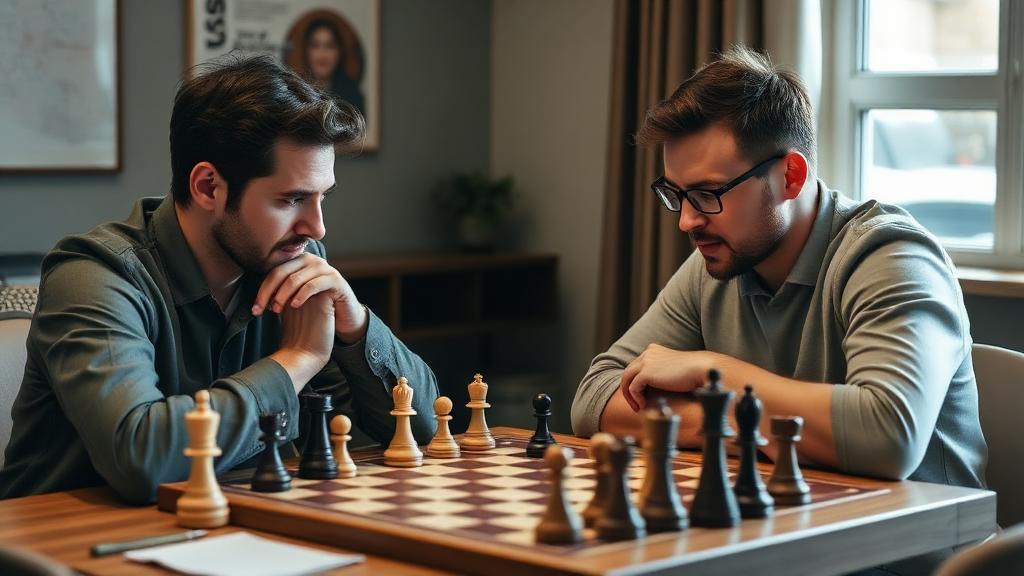
Simple review of lesson content reinforces learning significantly:
Review Activities: - Write summary of main lesson concepts - Create flashcards for key positions or ideas - Explain lesson content to parent or sibling - Apply lesson concepts in practice games
Game Playing
Structured playing assignments apply learned concepts:
Playing Homework Types: - Play 2-3 games using new opening - Play games focusing on specific strategy (e.g., piece activity) - Play longer time control games for deeper thinking - Play against specific difficulty computer for endgame practice
How Much Homework Is Appropriate?
Age-Based Guidelines
Ages 5-7: 15-20 minutes per session, 2-3 times per week - Focus on fun activities: puzzles, playing games - Keep sessions short to maintain attention - Parent involvement often necessary
Ages 8-10: 20-30 minutes per session, 3-4 times per week - Increased independence in homework completion - Mix of puzzle work and playing - Begin self-analysis of games
Ages 11-14: 30-45 minutes per session, 4-5 times per week - More comprehensive homework assignments - Independent analysis expected - Opening/endgame study added to puzzles
Serious/Competitive Students: 45-90 minutes daily - Intensive study programs - Tournament preparation - Comprehensive coverage of all training elements
Quality Over Quantity
The Homework Sweet Spot: Enough to reinforce learning without creating burnout or homework battles.
Signs of Too Little Homework: - Slow progress between lessons - Concepts need re-teaching frequently - Limited improvement in puzzle ratings - Stagnant game quality
Signs of Too Much Homework: - Resistance to homework completion - Rushing through without thinking - Declining interest in chess overall - Homework becoming source of conflict
Adjusting Homework Load
Increase When: - Child completes homework easily and wants more - Progress is slower than expected given lesson engagement - Approaching important tournaments - Child expresses desire for faster improvement
Decrease When: - Other life demands increase temporarily - Homework creates family conflict - Quality of homework completion declines - Burnout signs appear
Parent's Role in Chess Homework
Creating Supportive Environment
Physical Environment: - Quiet space for focused work - Necessary materials accessible (board, computer, books) - Comfortable and appropriate for chess study - Minimize distractions during homework time
Time Environment: - Consistent homework schedule - Protected time without competing activities - Appropriate day/time for child's energy and focus - Built into routine (not afterthought)
Supporting Without Solving
Effective Support Approaches: - Ask questions rather than give answers - Encourage thinking aloud about positions - Celebrate effort and process, not just correct answers - Help with logistics (setting up position, timing) - Maintain positive attitude about homework
What to Avoid: - Solving puzzles for your child - Telling them what move to make - Expressing frustration when they struggle - Comparing to other children's homework - Turning homework into pressure situation
Communicating With Coaches
What to Share With Coaches: - Time spent on homework - Difficulties encountered - Questions that arose - Patterns observed
What to Ask Coaches: - Is homework difficulty appropriate? - What to prioritize if time is limited? - How to help without giving answers? - Are there signs of progress in homework quality?
Overcoming Homework Challenges
Resistance and Avoidance
Common Causes: - Homework too difficult (frustration) - Homework too easy (boredom) - Time pressure from other activities - Negative associations with homework - Lack of clear structure or expectations
Solutions: - Adjust difficulty level with coach input - Create more engaging homework format - Build homework into routine - Increase autonomy and choice - Reward effort and consistency
The "I Already Did Puzzles at Lesson" Problem
The Issue: Children feel they've done enough chess practice during lessons.
The Solution: Explain homework's different purpose — reinforcement, not just additional practice. Use analogies (musicians practice between lessons, athletes train between games).
Time Management Challenges
Common Issues: - Homework compressed to right before lesson - Rushing through without quality thinking - Inconsistent completion
Solutions: - Break homework into smaller daily portions - Set specific homework times in weekly schedule - Use timers for focused work periods - Connect homework completion to rewards/privileges
Evaluating Homework Effectiveness
Signs Homework Is Working
Positive Indicators: - Steady improvement in puzzle ratings - Better retention between lessons - Improved game quality - Increased independence in learning - Growing enthusiasm for chess
Signs Homework Needs Adjustment
Concerning Patterns: - Homework completed but no improvement visible - Rushing through without effort - Consistent frustration or avoidance - Declining interest in chess overall - Same mistakes repeated despite homework
Working With Coaches to Optimize
Regular communication helps optimize homework: - Share observations about homework completion - Discuss what seems to be working - Ask for adjustments when needed - Collaborate on homework goals
How Chessmates.in Approaches Homework
Our homework philosophy balances effectiveness with engagement:
Personalized Assignments: Homework matched to individual level and needs Clear Expectations: Students know exactly what to complete and by when Variety: Mix of puzzle types, analysis, playing, and review Progress Tracking: Coaches monitor homework impact on development Flexibility: Adjustments made based on student response and progress Parent Communication: Clear guidance on supporting homework completion
FAQs About Chess Homework
1. What if my child refuses to do homework? Explore reasons for resistance; adjust approach or content. If persistent, discuss with coach.
2. Should I help my child with homework? Support the process but avoid solving problems for them. Encourage independent thinking.
3. Is it okay to miss homework occasionally? Occasional misses happen; establish pattern of consistent completion over perfection.
4. How do I know if homework is the right difficulty? Ask coach for feedback; roughly 75-85% success rate on puzzles indicates appropriate level.
5. What if we're too busy for homework? Something is better than nothing; discuss minimum essential homework with coach.
Conclusion: Homework as Investment
Chess homework, properly structured and supported, transforms lesson learning into lasting skill development. It builds independent learning habits, reinforces retention, and accelerates improvement — all while preparing children for the self-directed thinking chess games require.
At Chessmates.in, we design homework that maximizes learning impact while maintaining engagement. Our personalized approach ensures every student receives assignments that challenge appropriately and reinforce lesson content effectively.
Experience our thoughtful approach to comprehensive chess education. Book a trial lesson and discover how structured learning accelerates your child's chess development.