The Sportsmanship Lesson Chess Teaches That No Sport Can Match
By Lalit Akhade, Founder & Head Coach, ChessMates Academy · Published 2024-12-29 · 5 min read
Introduction: Sportsmanship Through the Royal Game
In an era of participation trophies and protected self-esteem, chess stands apart as an arena where genuine sportsmanship still matters. Every game ends with a winner and a loser, creating countless opportunities to practice grace, humility, and respect — the true foundations of character.
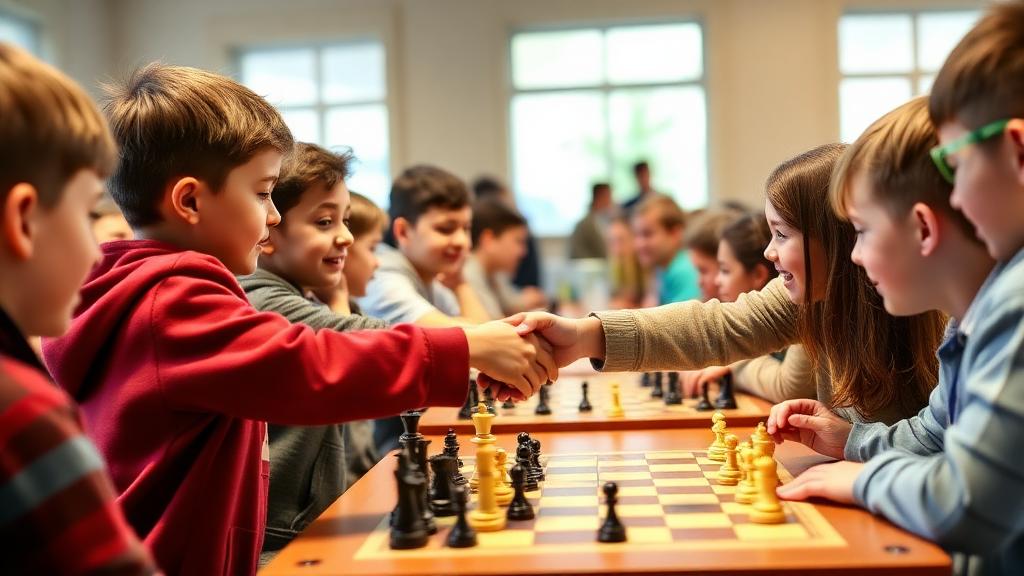
The tradition of shaking hands before and after every chess game embodies a simple but profound lesson: we can compete intensely while maintaining respect for our opponents. This ritual, practiced millions of times daily across the world, teaches children that competition and kindness coexist.
Why Chess Excels at Teaching Sportsmanship
No Hiding Behind Team Dynamics
In team sports, individual sportsmanship can get lost in group dynamics. Chess is different — every handshake, every post-game interaction is personal and direct. Children cannot hide behind teammates; they must own their behavior completely.
Clear Winners and Losers
Chess produces unambiguous results. Someone wins, someone loses, or the game draws. This clarity creates authentic opportunities to practice: - Winning with humility - Losing with dignity - Respecting the opponent regardless of outcome
Thinking Time Reduces Reactive Behavior
Chess's slow pace allows emotions to be processed rather than acted upon impulsively. When frustration arises during a game, children have time to manage it constructively rather than lashing out.
Core Sportsmanship Values in Chess
Respect for Opponents
Chess culture emphasizes that opponents deserve respect: - They've practiced and prepared just as you have - They're doing their best with what they know - They're not enemies but partners in learning
Honesty and Integrity
Chess relies on players calling their own illegal moves and playing fairly: - No external referees in most games - Trust-based system develops integrity - Cheating is considered deeply dishonorable
Humility in Victory
Chess teaches that today's winner may be tomorrow's learner: - Every player has something to teach - Arrogance leads to careless mistakes - The best players remain students forever
Grace in Defeat
Learning to lose well is perhaps chess's greatest character-building gift: - Losses provide the clearest learning opportunities - Graceful acceptance earns respect - Resilience develops through recovery from setbacks
Practical Sportsmanship Lessons from Chess
The Pre-Game Handshake
This simple gesture teaches: - Acknowledging your opponent as a person - Signaling readiness to compete fairly - Setting a respectful tone
Silence During Play
Chess etiquette requires quiet during games: - Respecting your opponent's thinking time - Controlling impulses to comment or react - Focusing on the game rather than gamesmanship
The Post-Game Analysis
After games, players often analyze together: - Sharing insights without arrogance - Learning from someone who just beat you - Teaching without condescension after winning
The Resignation
Knowing when to resign teaches: - Recognizing reality objectively - Respecting the opponent's achievement - Moving forward constructively
How Parents Can Reinforce Sportsmanship
Model the Values
Children learn by watching. When discussing chess: - Speak respectfully about opponents - Emphasize learning over winning - Celebrate effort and improvement
Process Losses Together
After difficult losses: - Allow feelings to be expressed - Avoid blaming opponents or circumstances - Focus on what can be learned - Reframe as growth opportunities
Celebrate Sportsmanship Specifically
Praise sportsmanship as much as victories: - "I noticed you congratulated your opponent warmly" - "You stayed focused even when frustrated — that's maturity" - "Analyzing the game together was really generous"
How Chessmates.in Develops Sporting Character
Our program explicitly teaches sportsmanship: - Pre and post-game rituals reinforcing respect - Discussion of chess ethics and fair play - Modeling by coaches who demonstrate ideal behavior - Recognition of sportsmanship alongside chess achievements - Team events that balance competition with camaraderie
FAQs About Sportsmanship in Chess
1. What if my child is a sore loser? This is common initially. Consistent coaching helps children develop emotional regulation and perspective.
2. How do I handle it if my child's opponent displays poor sportsmanship? Use it as a teaching moment — discuss how the behavior felt and reinforce your values.
3. Can sportsmanship be taught online? Yes, though it requires more intentional focus. Online chess communities have their own etiquette norms.
4. At what age do children grasp sportsmanship concepts? Basic concepts can be understood by age 5-6, with deeper appreciation developing through experience.
5. Does competitive chess harm sportsmanship development? When properly coached, competition actually strengthens sportsmanship through repeated practice in real situations.
Conclusion: Character Through Competition
Chess offers something increasingly rare: authentic competition that builds character rather than eroding it. Through thousands of handshakes, resignations, and post-game analyses, children internalize values that extend far beyond the chessboard.
At Chessmates.in, we believe that how children compete matters as much as whether they win. We develop players who are formidable at the board and gracious in victory and defeat alike.
Enroll your child in chess and give them the gift of true sportsmanship — a value that will serve them in every competitive arena life presents.