10 Hidden Benefits of Chess Schools Aren't Telling You
By Lalit Akhade, Founder & Head Coach, ChessMates Academy · Published 2025-01-14 · 7 min read
Introduction: Why Chess Matters During School Years
Chess is one of the most powerful educational tools available to children today. School-age kids between 5 and 15 experience significant growth in cognitive, emotional, and social development — and chess supports every part of that growth.
More than just a game, chess helps shape strong thinkers, confident learners, and resilient problem-solvers. Schools across the world now include chess in their curriculum because of its proven impact on academic success, concentration, memory, and overall brain development.
For parents seeking a meaningful, productive activity for their children, chess stands out as a smart and long-term investment in intellectual and emotional growth. And with platforms like Chessmates.in, learning chess has become engaging, safe, and perfectly structured for school students.
1. Chess Improves Academic Performance
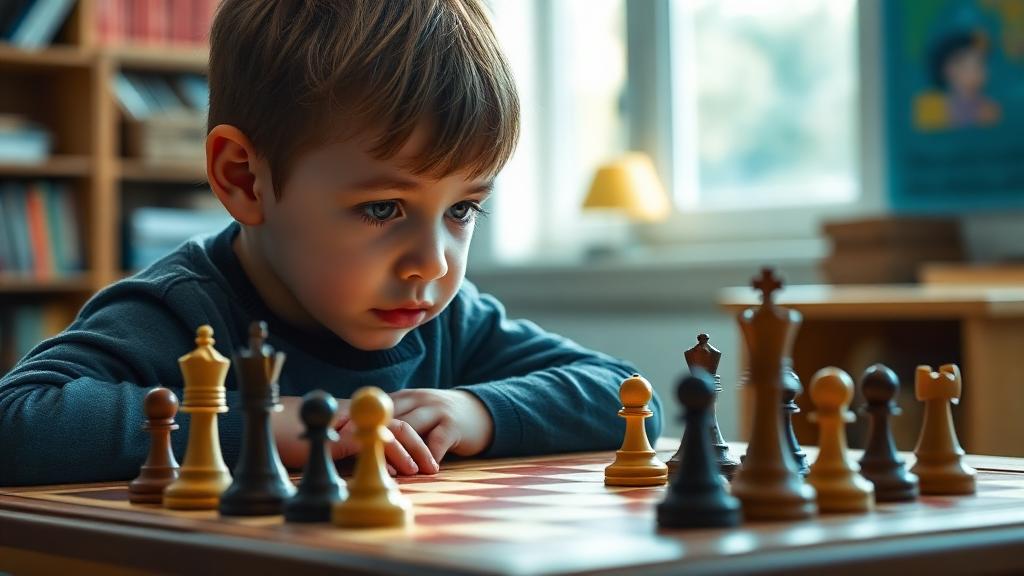
One of the strongest benefits of chess for school students is its direct impact on academic success. Numerous studies show that children who learn chess perform better in subjects like mathematics, reading, and science.
How Chess Supports Math Skills
Chess strengthens mathematical thinking by improving:
- Pattern recognition
- Spatial reasoning
- Logical sequencing
- Strategic planning
Every move requires evaluating possibilities — a skill that directly translates to solving math problems.
Enhancing Reading & Comprehension
Chess also improves reading comprehension because it:
- Strengthens focus
- Improves prediction skills
- Encourages analysis of cause and effect
Children learn to "read" their opponent's intentions, similar to how they interpret stories in books.
2. Chess Develops Superior Memory Skills
Chess is a game of patterns, positions, and sequences — all of which challenge and strengthen memory.
Strengthening Short-Term Memory
School students learn to:
- Recall piece positions
- Track multiple moving pieces
- Remember earlier moves in the game
This constant mental activity builds sharp short-term memory.
Long-Term Cognitive Benefits
Long-term memory is strengthened as students learn:
- Openings
- Endgame principles
- Tactical patterns
These memory skills are essential for school exams, revision, and application-based learning.
3. Chess Enhances Focus and Concentration
Why Focus Matters in School
Children who struggle with concentration often find schoolwork overwhelming. Chess provides a structured way to practice focus in short, engaging sessions.
Chess as a "Brain Workout"
Every game trains the brain to stay focused longer. This improvement carries over to homework, classroom attention, and exam preparation.
4. Chess Builds Powerful Problem-Solving Abilities
Chess is essentially a series of problems that must be solved — sometimes within seconds.
Critical Thinking Through Patterns
Students learn to analyze:
- Multiple possible outcomes
- Opponent strategies
- Their own strengths and weaknesses
This kind of thinking is crucial for subjects like physics, coding, and mathematics.
Decision-Making Under Pressure
Chess teaches children to make smart decisions quickly. This helps them during exams, quizzes, and fast-paced school activities.
5. Chess Teaches Patience and Discipline
Patience is one of the most essential skills for academic success — and chess teaches it beautifully.
Learning to Think Before Acting
In chess, rushing leads to mistakes. Students learn to pause, think critically, and choose wisely — skills that improve behavior and academic performance.
Developing Emotional Discipline
Handling frustration, managing excitement, and staying calm under pressure are emotional strengths children gain through chess.
6. Chess Boosts Creativity and Imagination
Chess is often mistaken for a purely logical game, but in reality, it's deeply creative.
Unique Playstyles and Creative Thinking
Every student develops:
- A personal style
- Unique tactics
- Creative solutions to problems
Chess encourages thinking outside the box — a key skill for writing, art, and innovation.
How Creativity Helps in School
Creative learners adapt faster, think independently, and excel in both academics and extracurricular activities.
7. Chess Strengthens Emotional Intelligence
Emotional intelligence (EQ) is just as important as IQ in a child's development.
Handling Winning and Losing Gracefully
Chess teaches:
- Sportsmanship
- Fair play
- Respect for opponents
Kids learn that losing is part of growth and that mistakes lead to improvement.
Building Confidence Through Mastery
As students solve puzzles, win matches, and improve strategies, their confidence grows naturally.
8. Chess Encourages Healthy Competition
Competition in chess is structured, positive, and skill-based.
Sportsmanship and Respect
Children learn to compete respectfully and work towards personal improvement rather than comparing themselves to others.
Building Motivation and Ambition
Competing in tournaments — even friendly ones — motivates students to set goals and work towards them.
9. Chess Supports Social Skills and Peer Interaction
Chess may seem like an individual game, but it creates strong social connections.
Team Events and Communication
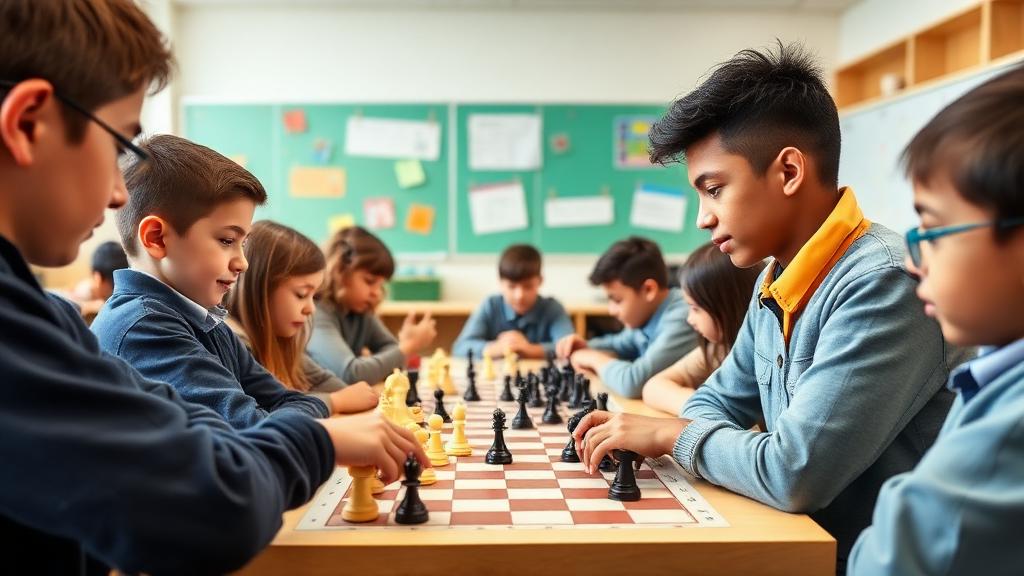
Many schools participate in team chess championships, helping children learn teamwork and collaboration.
Developing Positive Friendships
Chess clubs and online classes help students connect with like-minded peers.
10. Chess Prepares Children for Real-Life Challenges
Chess mirrors real-life decision-making.
Strategic Thinking for Life
Students learn to:
- Analyze situations
- Think ahead
- Plan effectively
These life skills help them navigate academic, social, and personal challenges.
Resilience and Adaptability
Learning from losses teaches resilience — one of the most important traits for long-term success.
Additional Benefits of Chess for School Students
Beyond the top 10, chess also helps with:
- Improved behavior in class
- Better time management
- Enhanced multitasking
- Increased motivation for learning
- Stronger concentration during exams
Chess is one of the few activities that benefit every area of a child's life.
How Chessmates.in Helps Students Gain These Advantages
Chessmates.in provides:
- Certified coaches
- Structured beginner-to-advanced classes
- Safe online learning environment
- Fun puzzles and interactive lessons
- Regular assessments
- Parent progress reports
It's the perfect place for school students to learn, practice, and grow through chess.
FAQs
1. What is the best age for school students to start learning chess? Ages 5–7 are ideal, but children can start at any age with the right guidance.
2. Does chess help improve grades? Yes. Chess boosts memory, focus, and problem-solving — all essential academic skills.
3. Can chess help shy or introverted children? Absolutely. It builds confidence and provides safe social interactions.
4. How much time should school students practice chess? 20–30 minutes of daily practice is enough for steady improvement.
5. Is online chess safe for kids? Platforms like Chessmates.in provide monitored, child-friendly learning environments.
6. Do children need prior knowledge before joining Chessmates.in? No. Complete beginners are welcome.
Conclusion: A Game That Shapes the Future
Chess is much more than an after-school activity — it's a scientifically proven tool for building sharper minds, stronger emotional intelligence, and confident learners.
For school students, chess provides the perfect balance of fun, challenge, and skill-building. With structured programs and expert guidance at Chessmates.in, your child can unlock all the lifelong benefits of chess — starting today.